Health Technologies + Human Performance Systems
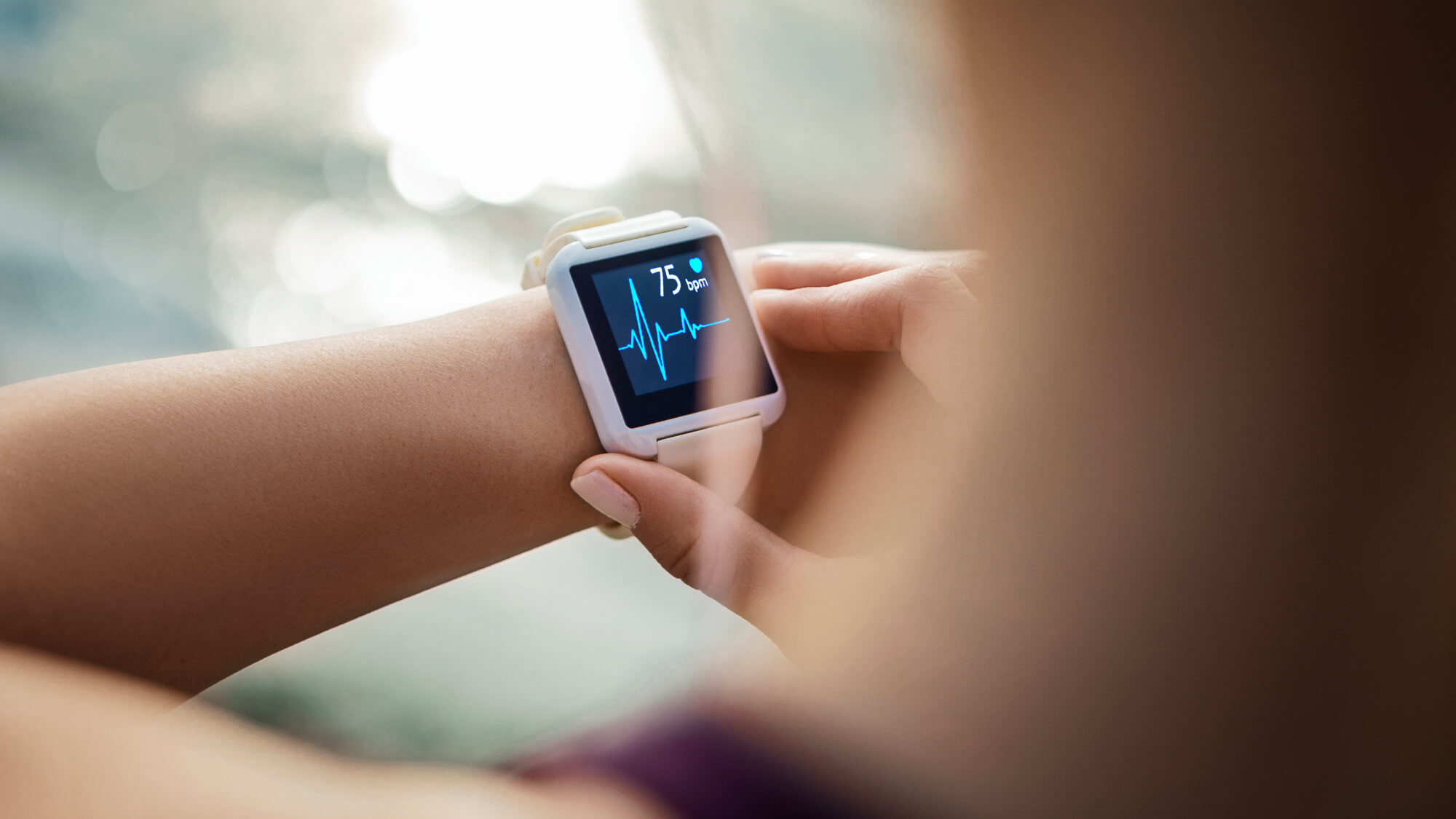

We engineer solutions that improve rehabilitation, clinical interventions, athletics and human–machine interaction across healthcare, workplace and wearable technology applications.
This research area focuses on developing biomedical devices, orthotics, wearable sensors, and assistive robotics to enhance movement, function, and recovery. Our teams integrate musculoskeletal modeling, motion capture, high-resolution imaging, neuromodulation, and real-time feedback systems to better understand and support the human body. We work closely with practicing clinicians, rehabilitation clinics, athletic performance labs, workplace ergonomics providers, and biomedical industries to co-develop technologies that are effective, personalized, and scalable. Students contribute to experimental and computational research with direct industry, clinical, and international collaboration. Graduates are well prepared for careers in health tech, biomedical research and development, rehabilitation engineering, and human-systems integration.
Possible Careers
- Human movement scientist in sports, industry or rehabilitation
- Surgical simulation and preoperative planning engineer
- Medical imaging and AI-powered diagnostics specialist
- Orthopedic and assistive device design engineer
- Wearable systems and digital health innovator
Areas of Specialization
Mechanical engineering is a broad and versatile discipline. While traditionally associated with engines and heavy machinery, the field has evolved into a diverse landscape of specialized research areas that push the boundaries of the industry.
Biomechanics and Musculoskeletal Modeling
We study the mechanical behavior of the human body using experimental and computational methods. Our work focuses on joint mechanics, gait analysis, tissue modeling, and the internal forces that shape movement and posture. Using motion capture, wearable systems, force plates, neural sensing (such as EMG and EEG), and multi-scale simulations, we aim to understand how injury, disease, or assistive devices affect mobility. These insights support the development of therapeutic interventions and performance optimization tools in clinical, workplace, and athletic settings.
Wearable Sensors and Assistive Technologies
We design intelligent, sensor-integrated wearable systems that monitor movement, detect abnormal patterns, and enhance physical function. Our research supports development of assistive technologies such as exoskeletons, smart braces, and biofeedback systems that respond to user intent and promote safe, independent mobility. These systems are used in rehabilitation, workplace ergonomics and sports science. Collaborations with healthcare providers, industry, and rehabilitation centers help us translate ideas into real-world applications that improve quality of life.
Rehabilitation Engineering and Robotic Therapy
We develop robotic and mechatronic systems to aid in physical rehabilitation and restore movement after injury or illness. This includes intelligent therapy devices, human–machine interfaces, and real-time feedback systems designed to adapt to individual needs. Our work combines biomechanics, robotics, and clinical insight to create personalized rehabilitation strategies. We collaborate with hospitals, therapists and industry partners to test and deploy these technologies in real-world settings.
Orthotic and Prosthetic Device Innovation
We advance the design, fitting, and function of orthotic and prosthetic devices through data-driven modeling and novel materials. Our researchers explore ways to improve comfort, mobility, and user adaptation by using biomechanics, digital design, and rapid manufacturing. From pediatric orthotics to high-performance prosthetics, our work supports clinical practices and startup ventures aiming to deliver customized solutions that meet individual needs. Projects are conducted in partnership with orthotic/prosthetic clinics, device manufacturers, and rehabilitation specialists.
Ergonomics and Human Factors in the Workplace
We study how people interact with tools, systems, and environments to design safer, more efficient workspaces. Using wearable sensors, biomechanics, and cognitive ergonomics, our researchers evaluate physical demands, postural risks, and mental load in both industrial and healthcare settings. Insights from this research inform the design of equipment, procedures, and training systems. We work with industry, health authorities, and safety regulators to create evidence-based interventions that reduce injury and improve productivity.
Biomedical Imaging and Experimental Motion Analysis
We use motion capture systems, high-speed video, neural sensing (such as EMG and EEG), and advanced imaging modalities including X-ray and MRI to study human biomechanics and physiological function. This work informs diagnostics, device design, and rehabilitation strategies across musculoskeletal, neurological, and cardiovascular conditions. Applications range from gait and posture analysis to imaging-based assessment of tissue damage and implant integration. Our platforms are used in clinical trials, surgical planning, and elite athletic training, in collaboration with partners in orthopedics, neurology, radiology, and rehabilitation medicine.
Pharmaceutical Engineering and Advanced Drug Delivery
We develop engineering tools for targeted drug delivery, pharmaceutical manufacturing, and medical device testing. Our research includes inhalable powders, needle-free delivery systems, particle engineering, and mechanistic modeling for stable therapeutic formulations. Students study how fluid dynamics, materials science, and device design affect where and how medicines are delivered in the body. Work also includes microfluidic organ-on-a-chip platforms and molecular dynamics simulations that mimic biological environments for drug screening, optimization of carrier systems, and therapeutic testing. These efforts support safer, more precise treatments and help translate laboratory discoveries into scalable pharmaceutical technologies.