Sustainable Energy + Environmental Engineering Solutions
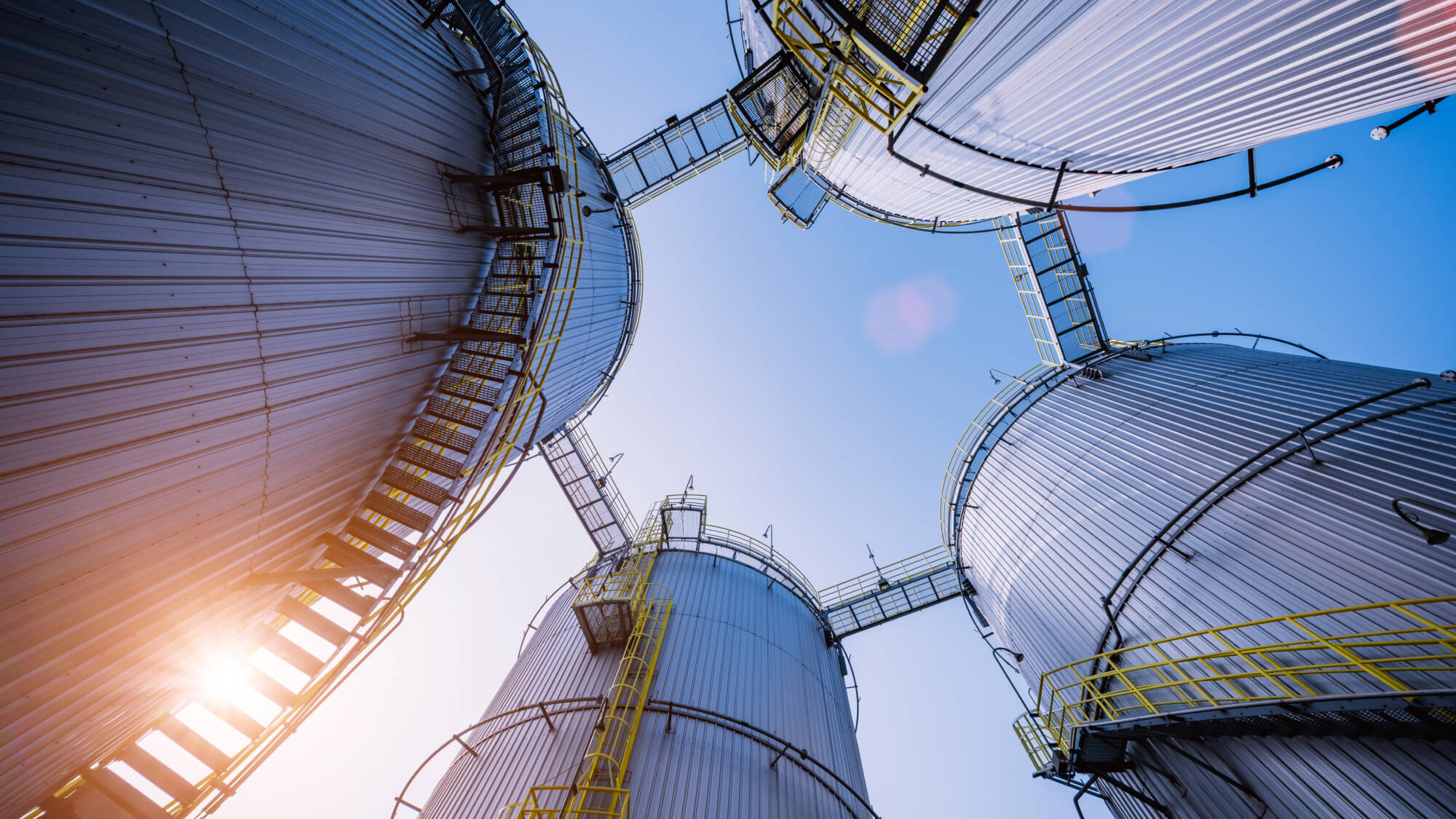

We develop technologies that support the global transition to low-carbon energy systems, sustainable resource use, and environmental resilience through innovations in sustainable power, pollution control, and circular economy integration.
This research area develops technologies that support net-zero energy generation, efficient energy use, and environmentally sustainable systems. Core activities include hydrogen production and storage, fuel cells, low-emission combustion, and waste heat recovery, as well as clean heating and advanced HVAC technologies for industrial and urban applications. Environmental focus areas span membrane-based water treatment, emissions monitoring, electrodialysis, and circular economy solutions that recover resources and reduce waste. Students gain experience in electrochemical diagnostics, high-fidelity fluid simulations, and environmental performance testing through hands-on work in specialized labs and field studies. Collaborations with utilities, renewable energy firms, and environmental agencies provide opportunities for real-world impact in clean power generation, pollution control, and sustainable infrastructure design. The Centre for Hydrogen Innovation, Workforce Development and Outreach (CHIWDO) supports student training and industry engagement across Canada’s hydrogen sector, helping graduates build the skills needed to lead energy transition and environmental resilience efforts.
Possible Careers
- Hydrogen and electrochemical energy systems engineer
- Environmental technology and water treatment engineer
- Renewable energy systems analyst
- Clean combustion and thermal systems specialist
- Circular energy and resource recovery engineer
- Energy extraction and process optimization engineer
Areas of Specialization
Mechanical engineering is a broad and versatile discipline. While traditionally associated with engines and heavy machinery, the field has evolved into a diverse landscape of specialized research areas that push the boundaries of the industry.
Clean Combustion and Thermal Systems Engineering
This specialization focuses on the development of low-emission heat generation technologies for industrial and residential use. Research includes modeling and optimization of combustion systems, thermal management in engines and furnaces, and integration of waste heat recovery strategies. Projects aim to reduce greenhouse gas emissions, improve energy efficiency, and support the transition to carbon-neutral heat sources. Students engage in both simulation and experimental diagnostics, preparing for roles in decarbonized thermal energy, building systems, and process industries.
Renewable Energy Conversion and Storage
This area addresses the design and optimization of systems that generate, store, and manage energy from renewable sources. Topics include photovoltaic systems, wind energy integration, battery and hydrogen storage, and smart grid interfacing. Students develop skills in energy modeling, power electronics, and control systems while collaborating on real-world applications such as off-grid systems, microgrids, and hybrid energy installations for remote and industrial communities.
Electrochemical Energy Systems and Hydrogen Technologies
This specialization develops solutions for hydrogen production, fuel cells, and electrochemical storage. Research includes electrolyzer design, membrane development, and system integration for transportation and stationary power. Students use diagnostics, system-level modeling, and materials analysis to improve the performance and durability of hydrogen infrastructure. Applications span green hydrogen deployment, decarbonized transportation, and large-scale storage for grid resilience.
Environmental Technologies for Air, Water, and Soil
This area focuses on technologies for pollution control and environmental remediation. Research covers advanced filtration, catalytic conversion, membrane systems, and air quality engineering. Projects address challenges such as VOC removal, heavy metal recovery, wastewater treatment, and microplastics separation. Students develop solutions at the interface of fluid mechanics, materials science, and environmental regulation, contributing to cleaner ecosystems and industrial sustainability.
Energy Extraction and Resource-Efficient Processing
Research in this area targets sustainable extraction and processing of energy resources, including biofuels, geothermal systems, and unconventional hydrocarbons. Topics include process intensification, water reuse, CO₂ capture and storage, and emissions mitigation. Students use techno-economic modeling, process simulation, and pilot-scale experimentation to improve recovery efficiency while minimizing environmental impact. Applications support sustainable operations in the energy, mining, and chemical industries.
Circular Economy and Sustainable Energy Transitions
This specialization addresses the integration of energy technologies into circular and low-carbon systems. Projects include lifecycle assessment, waste-to-energy conversion, decentralized energy systems, and sustainable infrastructure planning. Students gain experience in systems-level thinking, policy analysis, and sustainability metrics to support clean transitions in urban planning, industry, and regional energy strategy.