High-Performance Materials + Structural Reliability
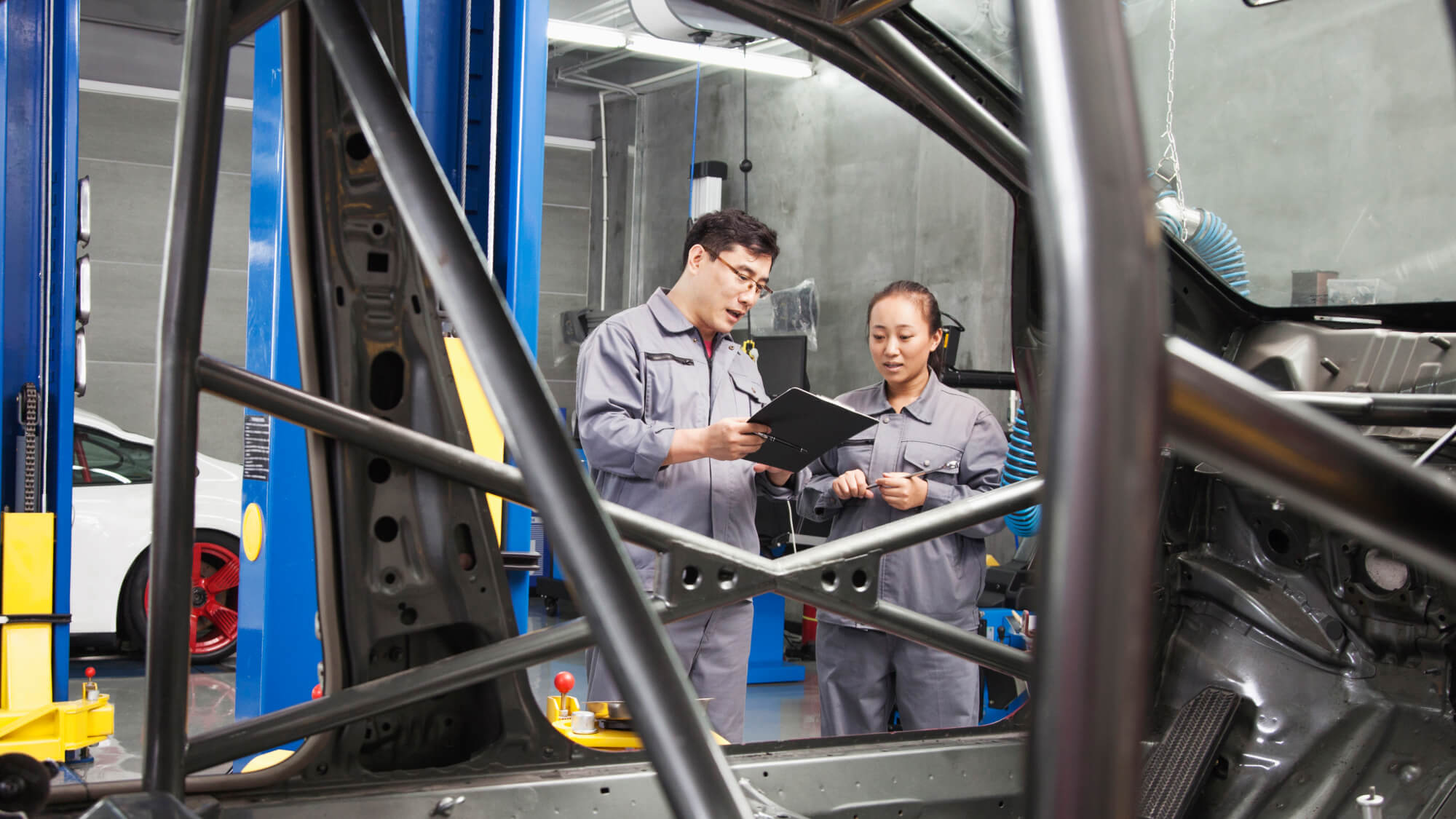
We engineer materials and structures designed to perform reliably under extreme mechanical, thermal, and chemical conditions in high-stakes environments.
This research area focuses on the development and validation of materials and structures designed for demanding mechanical, thermal, and chemical environments. Core strengths include fatigue and fracture mechanics, corrosion and wear resistance, impact and shock loading, and multiscale materials modeling. Students use experimental platforms such as impact rigs, scanning electron microscopy, and digital image correlation, alongside high-fidelity simulations, to understand and predict failure across different length and time scales. Applications include aerospace skins, nuclear containment systems, turbine blades, mining infrastructure, and armour-grade composites, with industrial partners/collaborators within each application. Student research is aligned with industry testing standards and regulatory frameworks, contributing to improved safety, reliability, and lifecycle performance in mission-critical systems, from satellites and submarines to pipelines and industrial machinery.
Possible Careers
- Materials analyst for extreme environment applications
- Structural integrity and fracture engineer
- Computational materials scientist
- Mechanical testing and qualification engineer
- Additive manufacturing materials engineer
Areas of Specialization
Mechanical engineering is a broad and versatile discipline. While traditionally associated with engines and heavy machinery, the field has evolved into a diverse landscape of specialized research areas that push the boundaries of the industry.
Multi-Scale Modeling and Simulation of Material Behavior
This specialization focuses on modeling material response across length and time scales to predict deformation, damage, and failure under real-world loading. Students use techniques like crystal plasticity, finite element analysis, and phase-field modeling, often coupled with data from experiments and digital twins. Applications span metal alloys, ceramics, composites, and functional coatings. Research supports materials-by-design efforts for automotive, aerospace, and defence industries, emphasizing performance in extreme environments and accelerated design cycles.
Advanced Mechanical Testing and Characterization
This area emphasizes high-fidelity experimental methods to probe material behavior under thermal, mechanical, and environmental extremes. Projects include high-strain-rate testing, multi-axis testing, creep and fatigue analysis, digital image correlation, and nanoindentation. Students work in labs equipped for drop-weight impact testing, fracture mechanics, and in situ microscopy. Results validate simulations and support material qualification in sectors such as energy, transportation, and defence. The work also feeds into standards development and lifecycle prediction models.
Structural Integrity and Reliability Engineering
This specialization addresses the durability and reliability of structures and components through both deterministic and probabilistic approaches. Research includes damage tolerance, crack propagation, corrosion-fatigue interaction, and lifecycle analysis. Students develop predictive tools for structural health monitoring, failure analysis, and maintenance optimization. Applications range from pipelines and aerospace components to biomedical implants and transportation systems. Industry engagement includes design reviews, risk-based inspection strategies, and failure prevention consulting across energy and defence platforms.
Microstructural Engineering for Performance Optimization
Students in this area explore how manufacturing processes and thermal treatments influence microstructure and, consequently, mechanical properties. Research includes grain boundary engineering, texture evolution, and phase transformation control in metals and composites. Emphasis is placed on linking processing routes with performance outcomes using electron microscopy, spectroscopy, and computational thermodynamics. Applications support custom materials for high-temperature, corrosive, or cyclic environments, with direct ties to additive manufacturing and joining technologies in energy, defence, and aerospace sectors.
Data-Driven and AI-Enhanced Materials Design
This area focuses on integrating machine learning with materials science to accelerate discovery and optimization. Students work with data from simulations, experiments, and imaging to predict mechanical behavior, discover new compositions, or guide heat treatment protocols. Research includes surrogate modeling, uncertainty quantification, and inverse design. Applications include lightweight structural materials, impact-resistant systems, and wear-resistant surfaces. Collaboration spans high-performance computing centres, defence labs, and materials informatics startups.