Automation, Robotics + Intelligent Control Systems
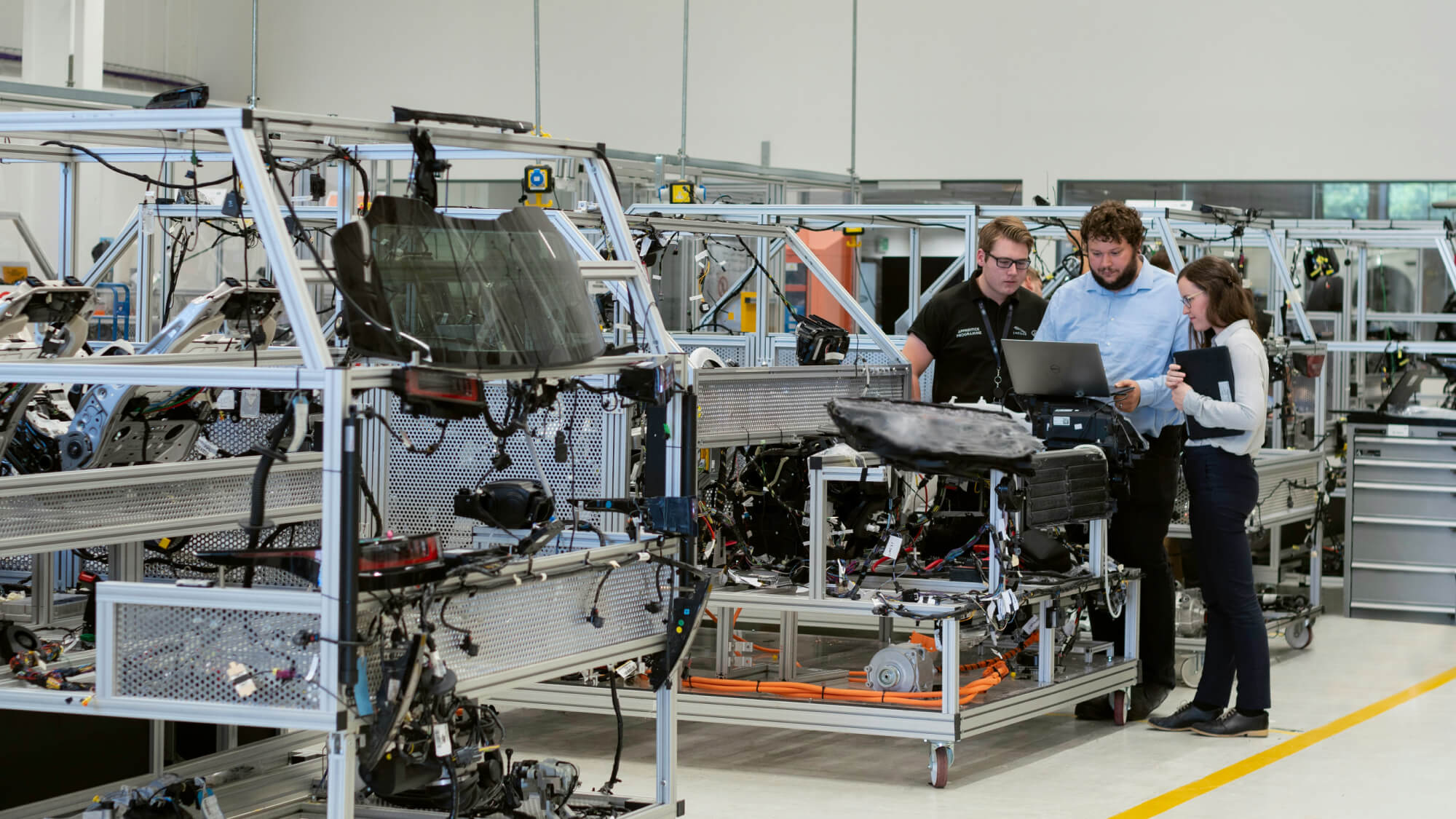
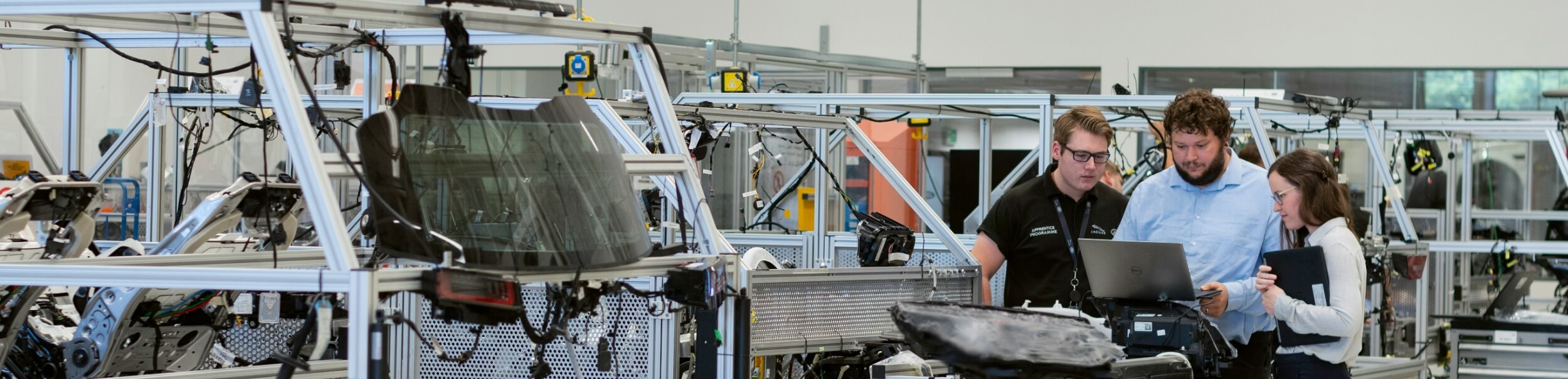
We engineer intelligent, adaptive systems that combine automation, real-time control, and robotics to optimize performance in mobility, energy and manufacturing applications.
This research area integrates control theory, robotics, embedded intelligence, and mechatronics to develop cyber-physical systems that sense, decide, and act in dynamic environments. Projects include autonomous and semi-autonomous vehicles, smart building control, hybrid powertrains, and robotic manufacturing. Students build real-time platforms using model predictive control, deep learning, and FPGA-based hardware to solve problems such as emissions minimization, dynamic energy balancing, and in-cycle combustion control. Research spans UAV navigation, robot-assisted machining, fault-tolerant systems, and intelligent load coordination across electric and thermal domains. Applications extend to transportation, industrial automation, energy-aware infrastructure, and defense-related autonomy, with strong ties to vehicle manufacturers, clean tech firms, and national labs. Students gain both experimental and computational skills to lead innovation in automated, adaptive, and resilient systems.
Possible Careers
- Control systems engineer
- Embedded systems developer
- Machine learning engineer for physical systems
- Energy systems optimization specialist
- Robotics and automation engineer
Areas of Specialization
Mechanical engineering is a broad and versatile discipline. While traditionally associated with engines and heavy machinery, the field has evolved into a diverse landscape of specialized research areas that push the boundaries of the industry.
Predictive Control for Energy, Mobility and Built Environments
This specialization focuses on model predictive control of complex, dynamic systems—ranging from low-emission engines and hybrid electric vehicles to HVAC systems and smart buildings. Students develop real-time optimization strategies, control-oriented models, and embedded algorithms for energy-efficient and emission-reduced operation. Applications include building-to-grid integration, cabin climate control and hybrid drivetrain management.
Cyber-Physical Systems and Embedded Intelligence
This area addresses the co-design of physical systems and embedded controllers, with a focus on automotive and aerospace platforms. Research includes real-time control implementation on field-programmable gate arrays, fault-tolerant system design, and integration of onboard diagnostics. Students work on projects such as combustion phasing control, thermal load balancing, and embedded energy management strategies.
Machine Learning–Enhanced Diagnostics and Control
Students in this area develop hybrid models that combine first-principles physics with machine learning to improve system identification, emissions prediction, and control. Topics include artificial neural networks for internal combustion engine modeling, deep reinforcement learning for emissions control, and data-driven diagnostics for HVAC and powertrain systems. Emphasis is placed on generalization across fuel types, combustion modes and load conditions.
Advanced Engine and Powertrain Control
This specialization develops control systems for advanced combustion concepts such as homogeneous charge compression ignition and reactivity-controlled compression ignition, as well as hybrid and low-carbon propulsion systems. Students build cycle-to-cycle control architectures, combustion phasing estimators, and closed-loop algorithms validated on test benches and in-vehicle platforms.
Energy-Aware Robotics and Mechatronic Systems
Focusing on actuator and sensor integration in energy-constrained environments, this area spans electric mobility, building automation and renewable energy hardware. Research includes optimal control of mechatronic systems (e.g., variable valve timing, heating elements), real-time system monitoring and autonomous energy management. Students gain expertise in dynamic modeling, sliding mode and flatness-based control and experimental validation.
Smart Grid–Integrated Control and Optimization
This area integrates control theory and energy informatics for distributed energy systems, including buildings, HVAC, hydrogen fuel cells, and solar–thermal integration. Students design bi-level and exergy-based control frameworks for optimal dispatch, demand flexibility, and predictive load balancing. Applications extend to predictive microgrid operations and real-time building energy analytics.