
Sedation Updater
North American Sedation Leadership Conference | Back by popular demand: Discover this year's complete event schedule below that you can attend either online or in-person.
Jump to:
Speakers | Lectures | Accommodations | Activities
Schedule
Sedation stream
Breakfast
Optional Breakfast Club Workshop with the Sedation Academy | 1 CE credit hour* | 7 to 8 a.m. | MacDonald Ballroom D or online
Building an Emergency Ready Sedation Team
Course Description
Providing safe patient care depends on more than clinical knowledge; it requires effective teamwork. This lecture explores the importance of building and sustaining a positive safety culture where communication, collaboration, and mutual respect contribute to high-quality patient care. Participants will learn practical strategies for evaluating teamwork within their own practice, strengthening team performance, and fostering a safe, respectful workplace for patients and staff.
Learning Objectives
- Explain how teamwork impacts patient safety.
- Evaluate the effectiveness of teamwork within their own office.
- Recognize the characteristics of effective teamwork and how perceptions of teamwork may differ among team members.
- Implement practical strategies to improve teamwork.
Break
9:30 to 9:45 a.m.
Recognizing the Deteriorating Sedation Patient: Early Warning Signs and Prevention
Course Description
Airway compromise is one of the most common and preventable causes of sedation-related emergencies. This lecture focuses on recognizing early signs of airway obstruction, hypoventilation, respiratory depression, laryngospasm, and unintended progression along the sedation continuum. Participants will also review key warning signs of cardiovascular instability, syncope, and other common office-based emergencies, with emphasis on early recognition, prevention, and appropriate intervention.
Learning Objectives
- Recognize early signs of airway obstruction and respiratory compromise during sedation.
- Interpret clinical and monitoring changes that suggest airway or cardiovascular deterioration.
- Differentiate between common sedation-related airway events, syncope, and selected cardiac concerns.
- Implement early interventions, including repositioning, suctioning, oxygen delivery, airway adjuncts, positive pressure ventilation, and basic cardiovascular support.
- Apply a systematic approach to recognition, escalation, and team-based management of a deteriorating sedation patient.
Break
11 to 11:15 a.m.
Pharmacology of Emergency Drugs: Principles and Clinical Applications
Course Description
Emergency medications are an essential component of safe sedation and anesthesia practice. This lecture reviews the mechanisms of action, indications, dosing, routes of administration, contraindications, and practical use of medications used to manage medical emergencies in the dental office. Participants will apply these concepts to common emergency scenarios to improve patient safety and clinical readiness.
Learning Objectives
- Explain the pharmacologic mechanisms, indications, dosing, and adverse effects of medications commonly utilized for emergencies in the dental setting.
- Select and administer appropriate emergency medications based on patient presentation, including cardiovascular, respiratory, allergic, neurologic, and metabolic emergencies.
- Compare available routes of drug administration, including oral, intramuscular, intravenous, intranasal, and inhalational, and determine the most appropriate route for common dental emergencies.
- Integrate emergency pharmacology into a systematic approach to crisis management through case-based application and decision-making.
Lunch
12:30 to 1:15 p.m. | MacDonald Ballroom D or online
Medical Emergencies in the Dental Office
Course Description
This lecture builds on early recognition by diving into the definitive management of major office-based medical emergencies, covering clinical protocols for managing severe airway crises, cardiovascular collapse, anaphylaxis, and other acute scenarios. Participants will focus on emergency drug pharmacology, correct dosages, rapid team execution, and patient stabilization for emergency transfer.
Learning Objectives
- Identify and differentiate definitive clinical signs of severe medical crises.
- Determine appropriate emergency drug dosages, routes of administration, and optimal sequencing of interventions.
- Establish clear team roles and crisis resource management protocols during an active emergency scenario.
- Formulate a comprehensive stabilization and emergency medical services activation plan for the outpatient dental setting.
Break
3 to 3:15 p.m.
What Would You Do Next? Interactive Sedation Crisis Management
Course Description
This interactive session challenges participants to apply the day’s emergency preparedness concepts to realistic, evolving sedation scenarios. Faculty will present a series of case vignettes that unfold in real time, prompting audience discussion and decision-making at each critical juncture. Emphasis will be placed on team communication, escalation timing, and the practical application of emergency protocols under pressure.
Learning Objectives
- Apply emergency preparedness concepts learned throughout the day to dynamic, case-based scenarios.
- Practice real-time clinical decision-making under simulated time pressure.
- Evaluate the appropriateness and timing of escalation and intervention steps as a case evolves.
- Identify common decision-making pitfalls and communication breakdowns during a sedation emergency.
Cocktail Reception
5:45 to 7:00 p.m. | MacDonald Ballroom D or online
Wellness stream
Breakfast
7 to 8 a.m. | MacDonald Ballroom D or online
More details coming soon.
Lunch
12 to 1 p.m. | MacDonald Ballroom D or online
More details coming soon.
Reception
6 to 9 p.m. | MacDonald Ballroom or online
* This number is an estimate. Your regulatory body will issue the credits.
Sedation stream
Breakfast
Optional Breakfast Club Workshop with the Sedation Academy | 1 CE credit hour* | 7 to 8 a.m. | MacDonald Ballroom D or online
Importance of Preoperative Assessment and Case Selection
Course Description
Preventing a crisis begins long before a sedative is administered. This lecture outlines a structured approach to patient evaluation, focusing on medical history synthesis, physical assessment, and airway evaluation. Participants will learn how to identify high-risk patient profiles, utilize the ASA physical status classification system effectively, and establish strict clinical boundaries for safe outpatient case selection.
Learning Objectives
- Perform a targeted preoperative medical history review and physical assessment tailored for sedation patients.
- Evaluate anatomical and clinical indicators of potentially difficult airway management.
- Assign physical status and accurately stratify systemic patient risks.
- Formulate clear inclusion and exclusion criteria for outpatient sedation based on patient comorbidities and procedural complexity.
Break
9:30 to 9:45 a.m.
Managing the Anxious Patient: Behavioral and Pharmacologic Strategies that Improve Sedation Care
Course Description
Dental anxiety can interfere with treatment and compromise the patient experience. This lecture explores evidence-based behavioral techniques and pharmacologic strategies that reduce anxiety while improving the safety and effectiveness of sedation. Participants will learn practical approaches for patients across all ages and levels of anxiety.
Learning Objectives
- Identify patient- and procedure-related factors that contribute to dental anxiety and influence sedation planning.
- Apply evidence-based behavioral strategies to reduce anxiety before and during dental treatment.
- Select appropriate pharmacologic interventions to manage anxiety while minimizing sedation-related risk.
- Integrate behavioral and pharmacologic techniques into individualized treatment plans that improve patient comfort, cooperation, and safety.
Break
11 to 11:15 a.m.
Local Anesthesia Challenges and Solutions in the Sedation Patient
Course Description
Profound local anesthesia is a key component of successful and effective sedation. This lecture provides an evidence-based look at traditionally taught injection techniques and reviews the scientific evidence supporting effective approaches to improving the elusive mandibular block. Participants will learn practical tips and techniques they can incorporate immediately into everyday clinical practice.
Learning Objectives
- Evaluate the scientific evidence supporting commonly taught local anesthesia techniques and nerve blocks.
- Recognize clinically relevant drug interactions that may influence the administration of local anesthetics.
- Apply practical techniques and emerging technologies to improve the predictability and success of local anesthesia.
Lunch
12:30 to 1:15 p.m. | MacDonald Ballroom D or online
Monitoring and Documentation Standards: Protecting Patients and Providers
Course Description
Accurate monitoring and thorough documentation are essential components of safe sedation practice. This lecture reviews the key monitoring requirements, documentation standards, and clinical records needed before, during, and after sedation. Participants will focus on recognizing trends, documenting patient status, supporting clinical decision making, and creating a clear record that protects both the patient and the provider.
Learning Objectives
- Identify essential monitoring parameters used during sedation, including oxygenation, ventilation, circulation, and level of consciousness.
- Recognize the importance of monitoring trends and documenting changes in patient status.
- Describe the key components of a complete sedation record.
- Explain how accurate documentation supports patient safety, continuity of care, and provider protection.
- Apply documentation standards during preoperative assessment, intraoperative monitoring, recovery, and discharge.
Break
2:50 to 3:05 p.m.
Lessons Learned: Real-World Sedation Cases
Course Description
Faculty will share real-world sedation cases drawn from their own clinical experience and lessons learned from expert witness review, highlighting both successes and challenges encountered in everyday practice. This case-based discussion connects the day’s themes, including preoperative assessment, anxiety management, local anesthesia, and monitoring, to concrete clinical examples, offering practical takeaways participants can apply directly in their own offices.
Learning Objectives
- Analyze real-world sedation cases to identify factors that contributed to successful outcomes or complications.
- Connect case-based lessons to preoperative assessment, anxiety management, and monitoring principles discussed earlier in the program.
- Recognize practical strategies for avoiding common pitfalls encountered in everyday sedation practice.
- Discuss how case review and peer learning can support ongoing quality improvement in clinical practice.
Wellness stream
Breakfast
7 to 8 a.m. | MacDonald Ballroom D or online
More details coming soon.
Lunch
12 to 1 p.m. | MacDonald Ballroom D or online
More details coming soon.
Reception
6 to 9 p.m. | MacDonald Ballroom or online
The Sedation Academy is an ADA CERP Recognized Provider. ADA CERP is a service of the American Dental Association to assist dental professionals in identifying quality providers of continuing dental education. ADA CERP does not approve or endorse individual courses or instructors, nor does it imply acceptance of credit hours by boards of dentistry.
Concerns or complaints about a CE provider may be directed to the provider or to the Commission for Continuing Education Provider Recognition at CCEPR.ADA.org. The Sedation Academy designates this activity for 16 continuing education credits. This continuing education activity has been planned and implemented in accordance with the standards of the ADA Continuing Education Recognition Program (ADA CERP) through joint efforts between The Sedation Academy and The University of Alberta.
Speakers
Our full roster of leading industry speakers will be unveiled shortly.
Dr. Stanley Malamed
Dentist anesthesiologist
Dr. Malamed, DDS is a dentist anesthesiologist and emeritus professor of dentistry at the Herman Ostrow School of Dentistry. Dr. Malamed graduated from the New York University College of Dentistry in 1969. Then completed a residency in anesthesiology at Montefiore Hospital and Medical Center in the Bronx, New York before serving for two years as a captain in the US Army Dental Corps at Ft. Knox, Kentucky. In 1973, he joined the faculty of the University of Southern California School of Dentistry (now the Herman Ostrow School of Dentistry of USC). Dr. Malamed retired from full-time teaching at the university in 2013.
He is a diplomat of the American Dental Board of Anesthesiology, and a recipient of the Heidebrink Award (1996) from the American Dental Society of Anesthesiology, the Horace Wells Award from the International Federation of Dental Anesthesia Societies, 1997 (IFDAS), and the Leonard M. Monheim Distinguished Service Award from the American Society of Dentist Anesthesiologists (2015).
Dr. Malamed has authored more than 170 scientific papers and 17 chapters in various medical and dental journals and textbooks in the areas of physical evaluation, emergency medicine, local anesthesia, sedation and general anesthesia.
In addition, he is the author of three widely used textbooks, published by CV Mosby: Handbook of Medical Emergencies in the Dental Office (8th edition 2022); Handbook of Local Anesthesia (7th edition 2020); and Sedation – A Guide to Patient Management (6th edition 2017) and two interactive DVDs: Emergency Medicine (3rd edition, 2018) and Malamed’s Local Anesthetic Technique DVD (2004) (edition 2 - 2012). The textbooks have been translated into 22 foreign-language editions.
In his spare time, Dr. Malamed is an avid runner, exercise enthusiast, and he admits an addiction to the New York Times crossword puzzle, which he has done daily since his freshman year in dental school.

Dr. Andrea Fonner
Dentist Anesthesiologist
Dr. Fonner, DMD, is a board-certified dentist anesthesiologist practicing in the Seattle/Bellevue area. She is the past-president of the American Dental Board of Anesthesiology (ADBA), where she has also served as a board examiner and primary contributor for many years.
Fonner is the CEO and founder of Anesthesiology for Dentistry, a mobile anesthesia team dedicated to advancing safe sedation and general anesthesia practices in dentistry. She is the co-creator of the first and only free emergency cognitive aid and mobile app designed specifically for dental office-based crises, now used by providers worldwide.
She serves as an attending in anesthesiology for both the NYU Langone Dental Anesthesiology Residency Program and the UNLV Dental Anesthesiology Residency Program, where she helps train the next generation of dental anesthesia providers. She is also an affiliate assistant professor at the University of Washington School of Dentistry.
Fonner is co-director of the Oregon Academy of General Dentistry's Parenteral Moderate Sedation Course and previously served on the American Dental Association (ADA) Council on Dental Education and Licensure (CDEL) anesthesiology committee. In addition to her educational work, she frequently provides expert analysis in legal cases involving sedation and general anesthesia.
A passionate educator and advocate for patient safety, Fonner brings a wealth of clinical experience, teaching excellence, and practical insight to every presentation.
The highlight of each day is spending time with her husband, Matt, and their 13-year-old identical twin daughters, Lauren and Charlotte.

Dr. Brian Chanpong
dentist anesthesiologist
Dr. Chanpong DDS, MSc, is a certified specialist in dental anesthesia. He completed his undergraduate dental degree at the University of Southern California and his specialty training in dental anesthesia at the University of Toronto. He then returned to his hometown in 2003 and founded Anesthesia for Dentistry (AFD), a four-room surgery centre that provides general anesthesia services for dentists throughout British Columbia.
He is a past president and former board member of the American Dental Board of Anesthesiology. At the Faculty of Dentistry, UBC, he served as a clinical associate professor and was the course director for Local Anesthesia and Sedation from 2008 to 2019.
Chanpong has received the UBC Faculty of Dentistry Part-Time Faculty Teaching Award on numerous occasions. He has lectured nationally and internationally on local anesthesia, sedation, and general anesthesia for dentistry.
Most importantly, he is the proud father of two wonderful boys.

Dr. Cara J. Riley
Dentist anesthesiologist
Dr. Riley, DMD, MS, is a dentist anesthesiologist with more than fifteen years of experience in both academic and private practice settings. Throughout much of her career, she served as an associate professor of anesthesiology at the Children’s Hospital Colorado and the University of Colorado School of Medicine. Today, she continues to provide anesthesia care at Children’s Hospital Colorado while also delivering mobile anesthesia services nationwide. Her practice focuses on comprehensive anesthesia care for a diverse patient population, including pediatric, adult, special needs, and medically complex individuals.
Riley earned her undergraduate degree from Georgetown University and spent three years with Under Armour before pursuing a career in dentistry. She received her DMD from Harvard School of Dental Medicine and subsequently completed a residency in dental anesthesiology and earned a master of science degree at The Ohio State University.
A diplomate and past president of the American Dental Board of Anesthesiology, Riley is also a faculty member for the American Academy of Pediatric Dentistry sedation and simulation courses. In addition, she serves as a consultant to the Colorado State Board of Dentistry on matters related to sedation and anesthesia.
Originally from coastal Maine, Dr. Riley now splits her time between Washington and Colorado. Outside of her professional endeavors, she enjoys charting new adventures with her two spirited sons, who keep her schedule full and her sense of humor well-exercised.
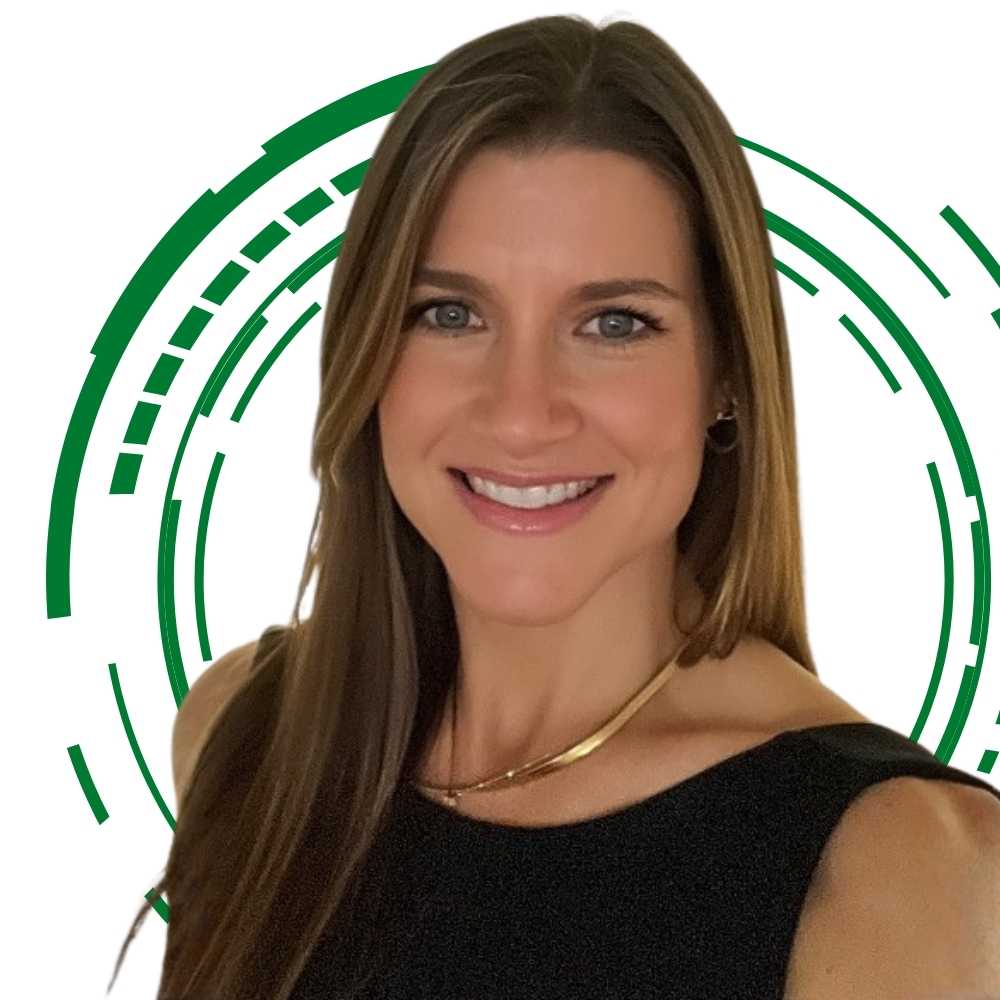
Dr. Jason Brady
Dentist Anesthesiologist
Dr. Brady, DMD, is a board-certified dentist anesthesiologist based in Gilbert, Arizona. He is a diplomate and past president of the American Dental Board of Anesthesiology (ADBA) and currently serves as president of the International Federation of Dental Anesthesiology Societies (IFDAS) and vice president of the American Society of Dentist Anesthesiologists (ASDA). He is also a past director and vice president of the American Dental Society of Anesthesiology (ADSA).
Brady completed his dental degree at the University of Nevada, Las Vegas, followed by a hospital and private practice-based anesthesia residency at the University of California, Los Angeles. He is the co-developer of the Anesthesia Research Foundation's Ten Minutes Saves a Life mobile emergency manual, used by dental professionals worldwide to improve office-based crisis management and patient safety.
A dedicated educator, Brady serves as associate director of the NYU Langone Health Dental Anesthesiology Program and teaches IV sedation for the Oregon Academy of General Dentistry. He has also served as faculty in endodontics, oral and maxillofacial surgery, and orthodontics at the Ostrow School of Dentistry of the University of Southern California. He lectures internationally and has presented throughout North America, South America, Europe, and Asia.
In addition to his academic roles, Brady provides in-office mobile anesthesia services for dentistry and remains committed to advancing safe sedation practices globally. Outside of his professional life, he enjoys time with his wife, Nora, and their six children.

Refund Policy
This refund policy refers to the Sedation Updater's lecture tickets and courses purchased from the University of Alberta. Please refer to the corresponding organizations for refunds relating to your accommodations and other experiences.
The University of Alberta offers a full refund for requests made before Jan. 1, 2027. Refunds will no longer be issued starting on Jan. 1, 2027.