Rami Kadri, Class of '25
18 November 2025
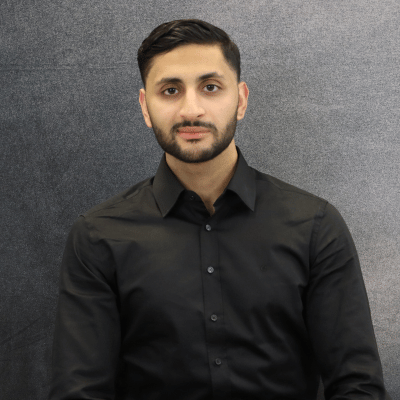
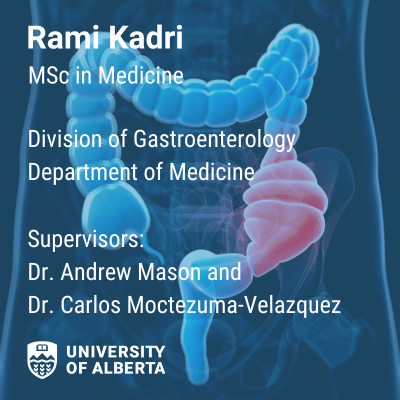
Rami Kadri: Improving Post-Transplant Care for Liver Cancer Patients
For 2025 graduate student Rami Kadri, research is about more than data. It’s about improving care for patients facing serious illness. His Master’s research focused on hepatocellular carcinoma (HCC), the most common form of liver cancer, and how clinicians can better predict which patients may need closer follow-up after a liver transplant.
Rami’s project examined the effectiveness of the RETREAT score, a clinical tool used to estimate the risk of liver cancer recurrence following transplantation. While the RETREAT score is widely used, Rami’s transplant program follows total tumour volume criteria, which differ slightly from those used at many other centres. His research set out to determine whether the RETREAT score still performs accurately within this unique clinical context and whether it can continue to guide post-transplant monitoring for patients.
“The more reliable tools clinicians have, the better we can support patients after transplant,” Rami explains. “This work helps determine who may benefit from closer surveillance, allowing care teams to tailor follow-up more effectively.”
Throughout his Master’s journey, one lesson stood out above all others: the importance of collaboration. “Every time I hit a wall, working through challenges with my supervisors and peers made both the project and my skills stronger,” he says. That collaborative spirit carried through to sharing his findings, which he presented at GI Research Day and Me2 Majumdar Research Day. His work has also been published and is available on PubMed.
Rami’s interest in medicine and research was sparked by a desire to make a meaningful difference in people’s lives. “Liver cancer affects many Canadians,” he says. “The more tools we have to help patients through diagnosis, treatment, and recovery, the better.”
When asked what advice he would give to students entering graduate school, Rami is refreshingly honest. “Don’t worry about having everything figured out on day one. Graduate school can be messy, and that’s normal. Find people you can lean on, ask for help early, and appreciate your supervisors. They’re there to support you.”
Outside the lab, Rami values time spent with family and friends, and like many graduate students, he relies on one essential daily ritual: his morning coffee.
Read the published study on PubMed: https://pubmed.ncbi.nlm.nih.gov/40576717/