Let's Talk Health:
Conversations with Physicians from the Department of Medicine
September 2026 - June 2027
A collaboration between the University of Alberta Department of Medicine and the Edmonton Public Library.
Health information is everywhere, but it can be difficult to know what to trust.
Let's Talk Health is a free, monthly virtual speaker series that connects community members with physicians from the University of Alberta's Department of Medicine. Through approachable, evidence-based presentations, physicians share current medical understanding on common health topics, answer frequently asked questions, and help participants better understand issues that affect their health and well-being.
Each session focuses on a different topic and is designed for a general audience. Whether you are looking for information for yourself, a family member, or simply want to learn more about a health issue making headlines, these sessions provide a trusted opportunity to hear directly from medical experts and ask questions in a welcoming environment.
Why This Matters
Misinformation and conflicting health advice can make it challenging to make informed decisions.
Let's Talk Health provides access to physicians who care for patients, teach future health professionals, and contribute to advancing medical knowledge. While the sessions are informed by current evidence and medical understanding, the focus is on practical information and public education rather than detailed research findings.
Our goal is simple: to help community members better understand common health topics, separate fact from fiction, and feel more confident navigating health information.
Who Should Attend?
This series is intended for:
- Adults interested in learning more about common health topics.
- Family members and caregivers seeking reliable health information.
- Anyone looking to better understand current medical knowledge and recommendations.
No medical background is required.
What to Expect
Each session includes:
- A presentation of 30 – 45 minutes by a Department of Medicine physician.
- Time for audience questions and discussion.
- Practical, evidence-based information presented in plain language.
- A respectful, non-judgmental environment for learning.
Sessions are held virtually on the second Wednesday of each month and are free to attend. Registration is required.
Recordings will be available following each session for those who are unable to attend live.
Upcoming Virtual Webinars
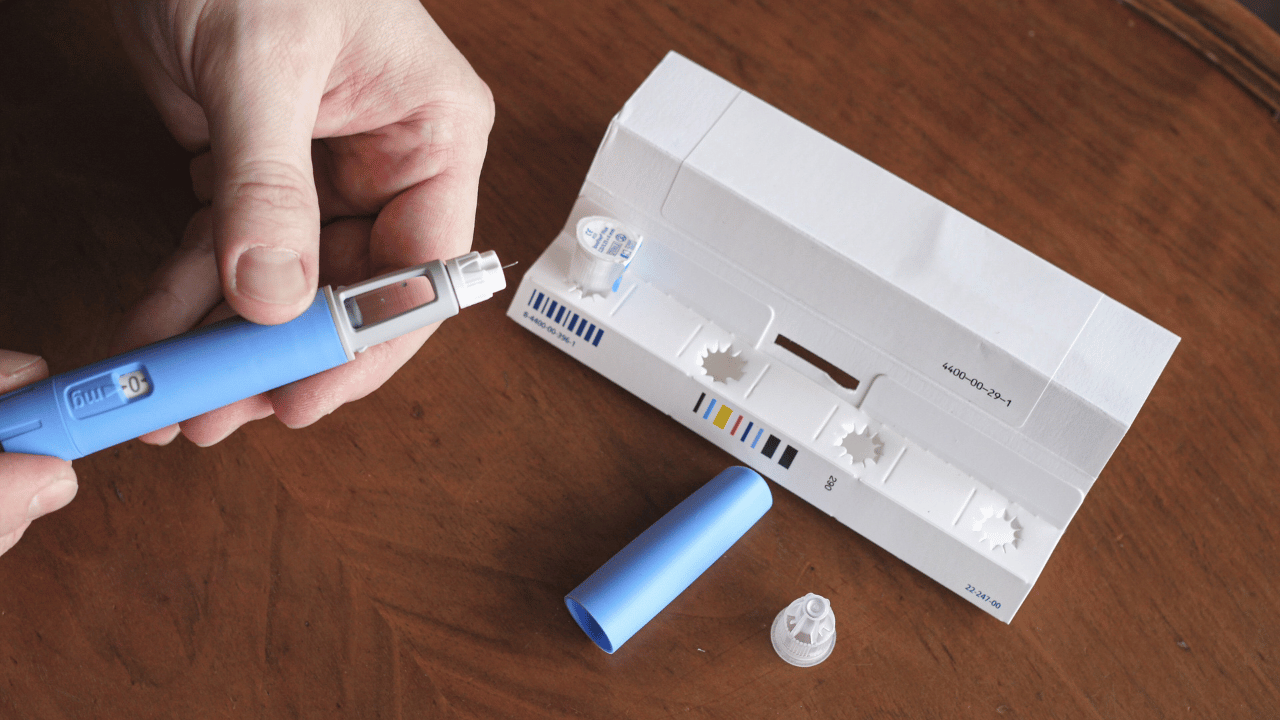
The Truth About GLP-1 Medications: Separating Facts, Myths, and Headlines
Can GLP-1 medications, like Ozempic, Wegovy, and Mounjaro, be used for losing weight? Learn how these medications work, who may benefit from them, and what current medical understanding tells us about their benefits, risks, and side effects.

Making Sense of Vaccines: Answers to common questions and misconceptions about adult immunization
Vaccines are one of the most effective tools available to help prevent serious illness, yet many adults still have questions about how they work, how they are tested, and how to make informed decisions about their health.

Joint Pain, Arthritis, and Inflammation
Many people experience joint pain, stiffness, or swelling, especially during the colder months. But how do you know what's normal, what might be arthritis, and when it's time to seek medical attention?
Wednesday, December 9 @ 6 p.m.

Your Gut, Your Health: Making Sense of Nutrition
Start the new year with a better understanding of your gut health. What is the current medical advice about the foods we eat, the gut microbiome, and everyday digestive health?
We will explore common questions about probiotics, fibre, supplements, and popular gut-health trends, helping separate what’s supported by evidence from what may be more hype than help.
Wednesday, January 13 @ 6 p.m.

Heart Health
Your heart works hard every day — but how much do you really know about keeping it healthy? Learn how your heart works, what increases your risk of heart disease, and the everyday habits that can make a difference. We'll also explore common myths about supplements, fad diets, wearable devices, and products marketed as "heart healthy".
Wednesday, February 10 @ 6 p.m.

Protecting Your Kidneys: What everyone should know about kidney health
Your kidneys work around the clock to filter waste, regulate fluids, help control blood pressure, and support many of the body's essential functions. Yet many people know very little about their kidneys or how to protect them. Because kidney disease often develops without obvious symptoms, understanding kidney health is an important part of staying well.
Wednesday, March 10 @ 6 p.m.

From Stress to Burnout
Work can be rewarding, but constant demands, heavy workloads, and pressure to keep up can leave us feeling drained. In this practical and engaging session, we will unpack the difference between everyday job stress and burnout, including the signs that your work may be taking too much of a toll.
Wednesday, April 14 @ 6 p.m.

Hypertension: Prevention and Early Awareness
High blood pressure (hypertension) is often called the "silent killer" because it can develop without noticeable symptoms while increasing the risk of heart disease, stroke, kidney disease, and other serious health conditions. Whether you have been diagnosed with high blood pressure, have a family history of hypertension, or simply want to better understand how to protect your long-term health, this session will provide reliable information grounded in current medical understanding.
Wednesday, May 12 @ 6 p.m.

Smart Sun Safety
June means summer, and that means more time outdoors and more time in the sun. But how much sun is too much, and what can you actually do to protect your skin? We'll tackle common sun-safety myths, talk about skin cancer prevention, and discuss what changes to your skin are worth paying attention to.
Wednesday, June 9 @ 6 p.m.
Important Information
The information presented in this series is intended for educational purposes only and should not be considered medical advice. These sessions are not designed to diagnose, treat, or provide recommendations for individual medical conditions. Participants are encouraged to consult their own health-care providers regarding personal medical concerns.