
The Truth About GLP-1 Medications:
Separating Facts, Myths, and Headlines
Dr. Saifal Anwar, Associate Clinical Professor, Department of Medicine, University of Alberta
September 9, 2026
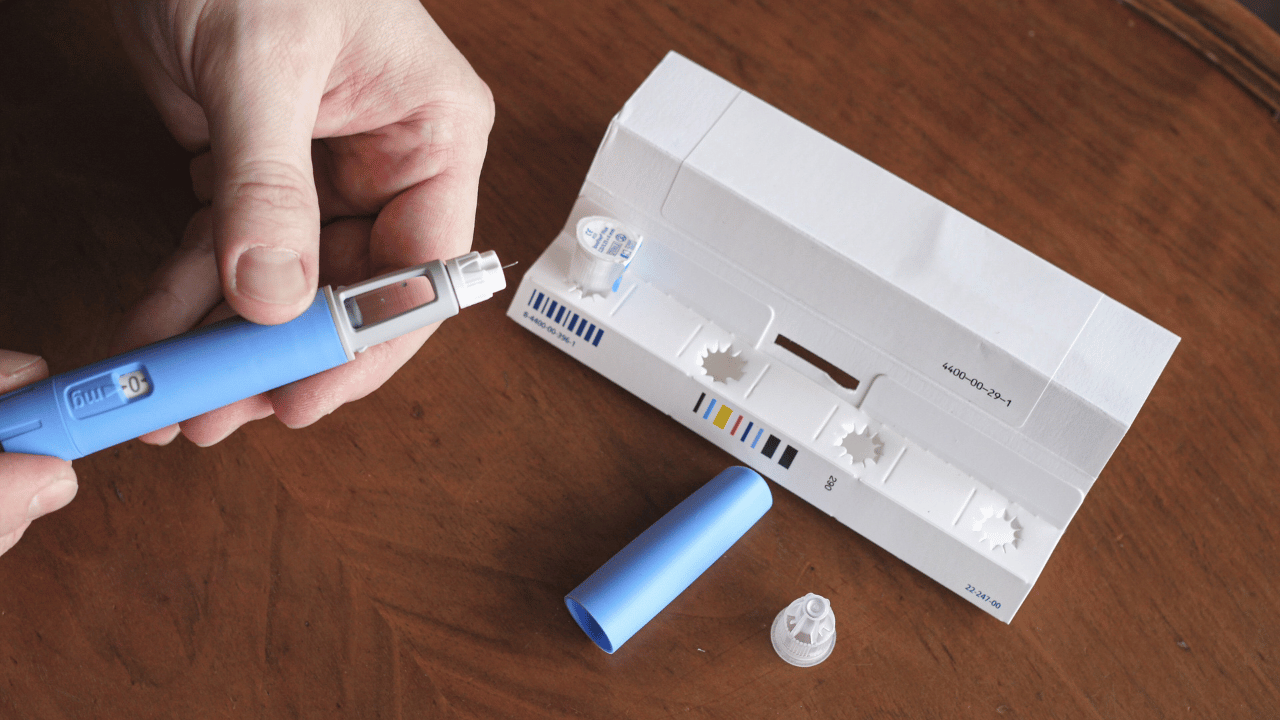
GLP-1 medications like Ozempic, Wegovy, and Mounjaro have become some of the most talked-about medications in recent years. With headlines, social media posts, and personal stories, there has also been a great deal of confusion, misinformation, and stigma surrounding their use.
Dr. Saifal Anwar, associate clinical professor with the University of Alberta's Department of Medicine, provided a practical, evidence-informed discussion about GLP-1 medications, including how these medications work, who may benefit from them, and what current medical understanding tells us about their benefits, risks, and side effects.
This session explored common myths, addressed concerns about topics such as "Ozempic face" and other widely discussed side effects, and examined the health impacts of GLP-1 medications beyond weight loss.
Watch the webinar:
Q & A
Due to time constraints, we weren’t able to answer all questions during the session. Many thanks to Dr. Anwar for taking the time to answer the remaining questions below.
There is a genuine and growing signal here, but it is still emerging science rather than settled proof.
Large observational studies suggest GLP-1 users have lower rates of alcohol, nicotine, opioid, cannabis, and other substance-use problems, and fewer related hospitalizations and overdoses (Cai et al., BMJ, 2026; Lähteenvuo et al., JAMA Psychiatry, 2025). Early small randomized trials suggest semaglutide can reduce alcohol craving and consumption, though results across substances are mixed (Leggio & Simmons, Journal of Clinical Investigation, 2026; Farokhnia & Leggio, JAMA Psychiatry, 2026).
The plausible mechanism is that these drugs act on brain reward and craving pathways, not just the gut. Bottom line: it's promising, biologically sensible, but not yet an approved use. Larger trials are underway, but no one should start a GLP-1 solely for addiction outside of medical guidance.
On average, for weight loss, the dual GLP-1/GIP agent tirzepatide produces more weight loss than the GLP-1-only agent semaglutide. In the head-to-head SURMOUNT-5 trial, tirzepatide produced about 20% weight loss vs. about 14% with semaglutide (Aronne et al., New England Journal of Medicine, 2025), and network meta-analyses (analyses that compare several treatments at once) rank tirzepatide highest for weight loss (Vienghirun et al., Diabetes, Obesity & Metabolism, 2026). But "better on average" does not mean "better for everyone."
The right choice depends on the treatment goal (e.g., diabetes, weight, sleep apnea, heart or kidney protection), side-effect tolerance (e.g., tirzepatide can cause more nausea/vomiting for some, while semaglutide is often well tolerated with slow titration), cost and insurance coverage, and the individual's own response—some people do better on one than the other (Vienghirun et al., Diabetes, Obesity & Metabolism, 2026; Moiz et al., Annals of Internal Medicine, 2026). This is a shared decision with a qualified prescriber, not a one-size-fits-all ranking.
BMI is used mainly because it's cheap, quick, and standardized — it needs only height and weight. Also BMI is what nearly all the large trials and guidelines were built around, which lets us compare results (Wachiraphansakul et al., PLoS One, 2023).
However, it's limitations are real and widely acknowledged: BMI doesn't distinguish fat from muscle, doesn't show where fat is stored (visceral belly fat is the most metabolically harmful), and can mislabel muscular or older individuals. That's exactly why clinicians increasingly pair BMI with waist circumference, body-composition measures, and metabolic markers, since a favourable shift in the muscle-to-visceral-fat ratio matters more than the scale alone (Sawicka-Gutaj et al., International Journal of Obesity, 2026).
BMI is best thought of as a useful screening starting point, not the finish line.
Yes. The contraindications are:
- A personal or family history of medullary thyroid cancer, or the genetic syndrome MEN2 (multiple endocrine neoplasia type 2). This is a boxed warning based on rodent studies (Das et al., American College of Cardiology, 2020; Sheth et al., JAMA Dermatology, 2026).
- Pregnancy and breastfeeding.
- A previous serious allergic reaction to the medication.
Important cautions that require careful consideration: a history of pancreatitis, significant gastroparesis or other serious gut-motility problems, active/severe diabetic retinopathy (especially with semaglutide), and prior gallbladder disease. Some older agents (exenatide, lixisenatide) are not used in severe kidney impairment, though semaglutide, dulaglutide, and liraglutide can be (Kunutsor & Seidu, Drugs, 2026; Sheth et al., JAMA Dermatology, 2026). Combining with insulin or sulfonylureas raises the risk of low blood sugar, so those doses often need to be reduced (Lindsay et al., Current Gastroenterology Reports, 2025).
This is a decision to make with your prescriber, but here's a framework.
- GLP-1 medications are designed to be titrated upward — starting low is deliberately done to reduce nausea, and 0.5 mg is an early/low maintenance dose.
- If it isn't controlling blood sugar or appetite and you're tolerating it well, the standard next step is usually to increase the dose gradually (typically every 4 weeks) toward the effective dose, not to stop (Grunvald et al., American Gastroenterological Association, 2022; Lindsay et al., Current Gastroenterology Reports, 2025). Real-world data show many people stay on submaximal doses and under-treat as a result (Samuels et al., Diabetes, Obesity & Metabolism, 2025). Stopping generally leads to blood sugar and weight rebound.
- The reluctance to increase is understandable, but a slow, monitored increase is usually the evidence-based path
Bring this framework to your visit and ask what target dose makes sense for you.
One practical note: if you ever miss several weeks of doses, you may need to restart at a lower dose to rebuild tolerance.
Yes — fatigue is a recognized, though usually mild, side effect.
In the large obesity trials, fatigue was reported by about 11% of people on semaglutide 2.4 mg (vs. 5% on placebo) and about 7% on tirzepatide 15 mg (vs. 3% on placebo) (Mozaffarian et al., American Journal of Clinical Nutrition, 2025). It tends to cluster with the gastrointestinal side effects and with the dose-escalation period and is often linked to reduced food and fluid intake rather than a direct drug effect.
Practical tips: Energy usually improves as the body adjusts. Stay hydrated, eat adequate protein, do not under-eat, and go slow on dose increases. New or severe fatigue should be checked because it can also signal dehydration, low blood sugar (especially if you are also on insulin or a sulfonylurea), or an unrelated problem. Always check with your health-care provider to rule out other causes of fatigue.
The face changes (a.k.a. "Ozempic face") come from the amount and speed of weight loss, not from the drug specifically targeting the face. Fat is lost from everywhere, including the fat pads that give the face a youthful fullness — and because facial fat is thin and visible, its loss is noticed more.
In one imaging study, patients lost about 7% of midface volume for every 10 kg (about 22 lbs) of body weight lost, mostly from the superficial fat pads (Sharma et al., Otolaryngology–Head and Neck Surgery, 2025). Obesity experts emphasize the same point: skin sagging and facial deflation happen with any method of substantial weight loss and tend to be more noticeable when the weight comes off quickly (Suran, JAMA, 2023).
Semaglutide medications might seem more dramatic because these drugs often produce faster and larger weight loss than older methods, and very aggressive dosing or under-eating can accelerate it. Slower, steadier loss with adequate protein tends to soften the effect.
Hair thinning is a recognized association, but in most cases it's from rapid weight loss and the physiologic stress of it — a condition called telogen effluvium — rather than direct toxicity to hair follicles.
In trials, hair loss was reported by about 3% on semaglutide and 5% on tirzepatide (vs. about 1% on placebo) (Mozaffarian et al., American Journal of Clinical Nutrition, 2025), and real-world data confirm a higher signal with semaglutide and tirzepatide than older agents (Katragadda et al., The Laryngoscope, 2026; Lee & Kim, Diabetes/Metabolism Research and Reviews, 2026). The reassuring part: telogen effluvium is usually temporary and recovers once weight stabilizes and nutrition is adequate (Seyed Jafari et al., American Journal of Clinical Dermatology, 2026).
Some very helpful tips:
- Adequate protein and overall calories — under-eating is a major driver.
- Avoid overly rapid weight loss (slower titration).
- Check for and correct deficiencies — iron/ferritin, vitamin D, zinc, and thyroid function.
- Biotin and collagen supplements are popular but have little evidence of benefit unless you're actually deficient in biotin (which is rare). Biotin can also interfere with some lab tests.
The honest answer is that these are medical treatments, not cosmetic products, so a proper assessment matters. A responsible prescriber typically looks at:
- The clinical indication — BMI and weight-related health conditions (e.g., diabetes, prediabetes, high blood pressure, sleep apnea, fatty liver, joint disease), not appearance alone.
- Safety screening — thyroid/MEN2 history, pancreatitis, gut-motility disorders, pregnancy plans, current medications (insulin/sulfonylureas), kidney function, and eye disease (Kunutsor & Seidu, Drugs, 2026).
- The whole health picture — nutrition, protein intake, muscle mass and strength, mental health, and realistic goals, since these drugs work best alongside diet and activity, not instead of them (Mozaffarian et al., American Journal of Clinical Nutrition, 2025).
- A plan for the long term — including what happens with cost, coverage, and continuation, because stopping usually leads to weight regain.
Once a medication has been approved, and there is a substantial body of published, peer-reviewed research available, it may be appropriate for our experts to discuss the available evidence, including its potential benefits and limitations, as part of a future Let's Talk Health session.
Evidence on safety in older adults is reassuring. A pooled analysis of the SURMOUNT and SUMMIT trials found tirzepatide gave older adults (65+) weight loss and metabolic benefits comparable to younger adults, with no meaningful increase in adverse events including gastrointestinal issues, falls, fractures, kidney, liver, gallbladder, or pancreatitis events (Alfaris et al., Diabetes, Obesity & Metabolism, 2026).
Two age-specific cautions worth knowing:
- older adults can be more prone to dehydration if nausea/vomiting reduce fluid intake, so staying hydrated matters;
- with substantial weight loss, protecting muscle mass and strength is especially important in this age group — adequate protein and resistance/strength activity help prevent frailty (Žižka et al., Drugs & Aging, 2024).
At 18 lbs. of loss with no ill effects, this generally sounds like it's going well. However, ongoing monitoring with your doctor is the right approach.
Insomnia is not an established, well-documented side effect of tirzepatide, and large safety analyses have not flagged sleep disturbance or psychiatric effects as a class concern (Han et al., Diabetes, Obesity & Metabolism, 2026). Since your sleep trouble predates the medication, it's more likely driven by other factors (age-related sleep changes, other conditions or medications, caffeine/alcohol, etc.). That said, if the timing of the worsening lines up with the medication, it's worth mentioning to your doctor — and notably, tirzepatide is actually approved to treat obstructive sleep apnea in people with obesity, so a sleep evaluation could be doubly useful (Alfaris et al., Diabetes, Obesity & Metabolism, 2026).
A stable weight for six months usually reflects a new plateau/set point rather than a permanent ceiling.
Whether more weight comes off depends on several things:
- whether you are at the maximum tolerated/effective dose
- your nutrition and activity
- your individual biology
In trials, most of the weight loss happens in the first year, and then levels off. However some agents (and higher doses) can drive further loss (Nauck et al., Lancet, 2026). Real-world data show many people never reach the top dose, so there's sometimes room to optimize with a prescriber (Samuels et al., Diabetes, Obesity & Metabolism, 2025).
Two important reframes: (1) a well-maintained 15% loss is already a clinically meaningful, health-improving result worth protecting; and (2) "success" isn't only more pounds—preserving muscle, fitness, and metabolic health matters as much or more.
If further loss is a goal, that's a conversation about dose, agent, and lifestyle with your provder.
About the Speaker
Saifal Anwar, MD, FRCPC, DABOM, ABLM
Dr. Saifal Anwar is a General Internal Medicine specialist and associate clinical professor at the University of Alberta with a practice focused on obesity medicine and lifestyle-based care. He is board-certified in Obesity Medicine and Lifestyle Medicine and specializes in the comprehensive management of obesity, type 2 diabetes, fatty liver disease, and metabolic syndrome.
His practice emphasizes sustainable, evidence-based approaches integrating nutrition, physical activity, behavioural strategies, and pharmacotherapy. He provides multidisciplinary care through the University of Alberta Hospital, Vibe Medical Specialists and the Royal Alexandra Hospital Adult Bariatric & Surgical Clinic in Edmonton.
Dr. Anwar is actively involved in teaching and advancing lifestyle medicine education, with a goal of integrating metabolic and obesity care into mainstream internal medicine practice.

Important Information
The information presented in this series is intended for educational purposes only and should not be considered medical advice. These sessions are not designed to diagnose, treat, or provide recommendations for individual medical conditions. Participants are encouraged to consult their own health-care providers regarding personal medical concerns.