Don Dilshan Abeywardane, Class of '26
12 June 2026
From Sri Lanka to Stroke Recovery Research: Meet Graduate Student Don Dilshan Abeywardane
When Don Abeywardane arrived from Colombo, Sri Lanka, to pursue a Master of Medicine in Physical Medicine and Rehabilitation, he brought with him a passion for improving patient care and a deep appreciation for the healing professions.
Last week, he celebrated the completion of his graduate degree under the supervision of Dr. Vivian K. Mushahwar and Dr. Cynthia Wu, marking the end of a journey defined by perseverance, curiosity, and a commitment to helping patients recover safely.
Finding New Ways to Prevent Blood Clots
Dilshan's research focused on a common but serious health risk faced by people with limited mobility, including patients recovering from stroke: deep vein thrombosis (DVT), or blood clots that can form in the legs.
His thesis, Feasibility, Safety, and Acceptability of the Smart Ongoing Circulatory Compression (SOCC™) Device for Deep Vein Thrombosis Prophylaxis, evaluated a wearable device designed to improve blood circulation. The device delivers gentle electrical stimulation to leg muscles, helping blood return to the heart and reducing the risk of clot formation.
The results were encouraging. Patients and nurses generally found the device safe, comfortable and practical for use in a hospital setting, suggesting it may offer a promising new option for DVT prevention.
The Human Side of Research
While the science was important, some of Dilshan's most memorable lessons came from the people behind the study.
"I was particularly surprised by how generous and engaged the study participants were, despite facing significant health challenges," he says.
Their willingness to contribute to research reinforced an important lesson: successful research depends not only on strong scientific methods, but also on trust, teamwork and the dedication of people who believe in advancing health care.
Dilshan also shared his work at the NeuroHike Alberta Motor Control Meeting and the Alberta Biomedical Engineering conference, where he presented his findings in poster presentations.
Inspired by a Family Legacy
Dilshan's path to medicine began long before graduate school.
His grandmother, B.A. Karunawati, and his great-grandfather were Indigenous Sri Lankan medical practitioners. Growing up hearing stories about healing and patient care sparked a lifelong interest in medicine and the impact health-care professionals can have on their communities.
That family influence continues to shape his work today.
Persistence Over Perfection
Looking back on his academic journey, Dilshan says one lesson stands out above all others.
"Success comes from persistence rather than perfection."
Like many graduate students, he faced challenges, setbacks and moments of uncertainty. But each obstacle became an opportunity to learn, adapt and grow.
It is advice he would likely offer to future graduate students: keep moving forward, even when progress feels slow.
More Than a Researcher
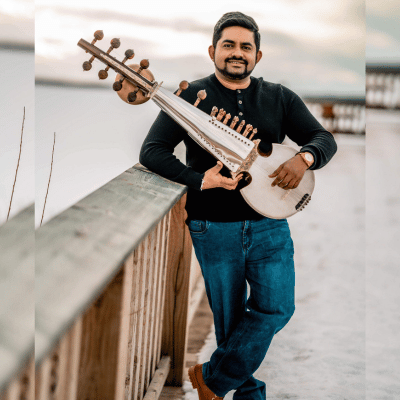
Outside the lab and clinic, Dilshan has a creative side that might surprise his colleagues. A passionate musician, he plays more than 20 instruments.
He also describes himself as easy-going, a quality his friends would likely agree with.
When asked what inspires him, his answer is simple: great people and great achievements. It is a fitting response for someone whose own achievements are now helping advance patient care and rehabilitation research.
Congratulations, Dilshan, on your graduation and all the accomplishments that have brought you to this milestone.