Why Should We Engage in Public Communication?
The Current Information Landscape
- The media landscape is chaotic and often distressing.
- News cycles deliver waves of stress with global crises evolving in multiple domains.
- Social media delivers a mix of interesting information, irrelevant fluff and sensationalized, biased disinformation.
- AI-generated content adds a new uncertainty about what is real and what is AI.
- Many of us have seen patients harmed by conspiracy theories and false claims.
It's a lot to deal with.
What Can We Do?
What's a medical professional or academic and responsible global citizen to do? How can we balance sharing our expertise and engaging to help with maintaining our sanity?
I’ve looked into this from an evidence viewpoint (it’s my coping strategy) and my brief game plan for tackling the stress of today’s existential threats is:
A Simple Game Plan
- Do something positive, no matter how small, to help address a problem.
- Band together with like-minded individuals when doing so.
For DoM members looking at the current crisis of public confidence in science and expertise, this can mean:
- Thoughtfully contributing to public discourse in our areas of medicine and science expertise.
- Supporting colleagues who are doing the same.
Not everyone is comfortable doing off-the-cuff media interviews or diving into the social media trenches to battle disinformation — and that's okay.
But Everyone Can Do a Few Things
- Amplify good-quality information. If you are on social media, share DoM posts, and posts from trusted experts on your social media.
- Commit to clear, understandable summaries of your work.
- Develop accessible explanations of diseases, prevention, and treatments.
- Create shareable resources that help counter disinformation.
If we all contribute in ways that work for us, we can help dilute the polluted information stream.
Amongst the dangerous disinformation and conspiracy theories, our Department members can show our communities, future colleagues, funders, prospective trainees, and policymakers that we're engaged, making a difference, and helping to create a safer, better world.
Easy First Steps
1) Watch for More Opportunities
Keep an eye on this space and DoM announcements for:
- Communication plans
- Science communication resources
- Workshops
- New opportunities (…have you considered being on a podcast?)
2) Share Your Work
Look for ways to share your work (innovations in clinical care, education, research) publicly, even starting within the DoM and University Communications.
We want to hear about the coolest thing you or a colleague has been working on:
- Upcoming or new publication
- Innovative project
- Fresh approach to clinical care or education
- Exciting collaboration
We’re looking for stories that:
- Offer a fresh perspective
- Shed light on a problem
- Challenge current thinking
- Show meaningful community impact
- Don’t necessarily need to be published research
3) Submit Your Story Ideas
We have an open door to your ideas at any time.
Currently, the U of A Folio newsletter would like to hear more from us. Folio is the U of A’s flagship publication, highlighting work with broad public interest, strong patient impact, and new avenues for research and care. We can pass along your ideas to them on your behalf.
If you have something worth sharing, please submit it through the form below and encourage your teams to do the same.
DoM Impact Story Submission form
We’d love to explore these stories with you.
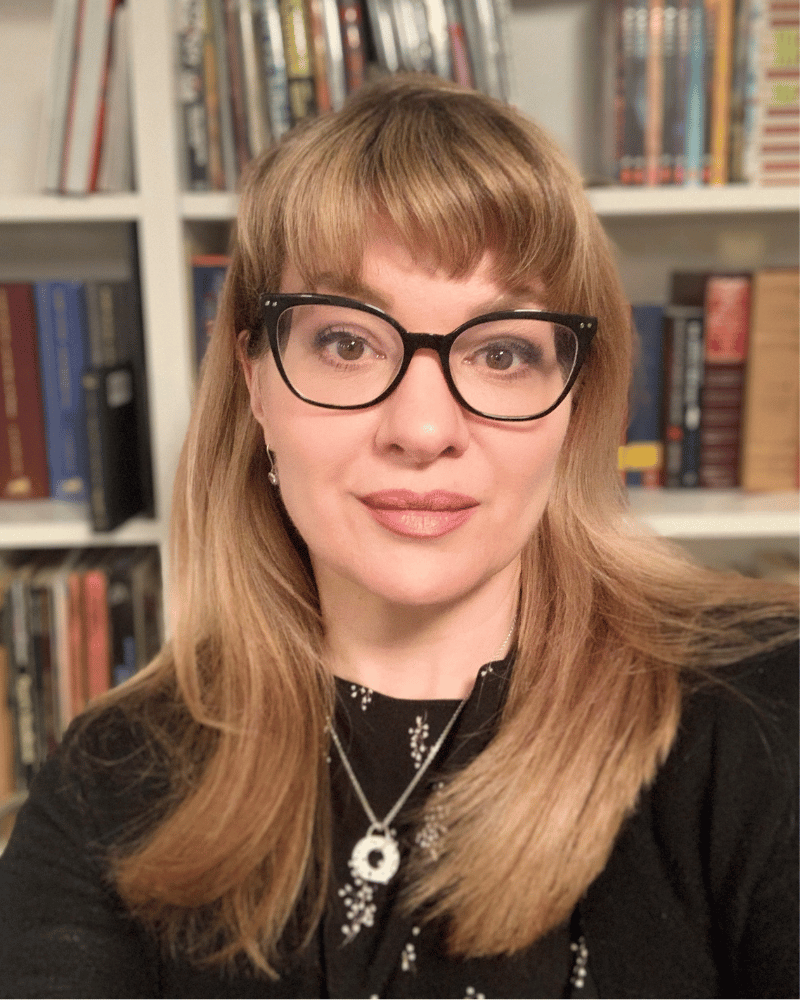
Dr. Lynora Saxinger
Director, Scientific Communication
Professor, Division of Infectious Diseases
Department of Medicine, Faculty of Medicine & Dentistry