Rehab Impact 2025-26
Explore Rehab Impact
Our beginnings | Community and belonging | Hands-on learning | Continuing education | Discovery into practice | Expanding horizons | Alumni and donors
Wâhkôhtowin: Kinship beyond family, in Nêhiyawêwin (Cree)
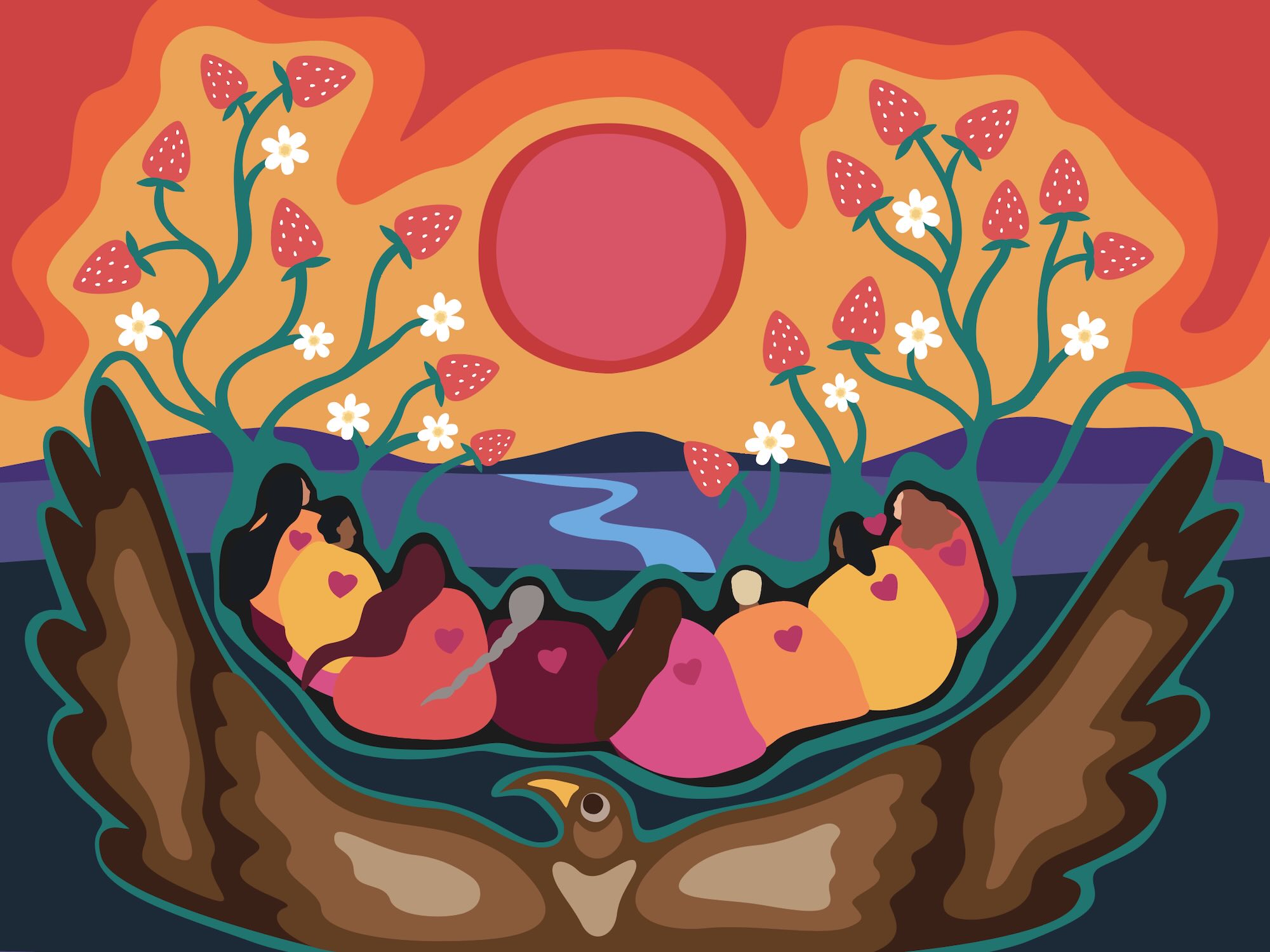
This artwork, commissioned for the faculty's 50th anniversary, brings to life the spirit of our new strategic plan, "Expanding Horizons." At its centre, a community of people sits side by side, gazing out toward the horizon together. Their hearts are visible, representing the connection, empathy, and support that hold this community together.
From within this community, strawberry branches grow upward and outward — a deliberate choice by the artist, as strawberries are sometimes known as "the heart berry" in their culture, symbolizing love, empathy, and growth. Behind the group, a river winds gently through the hills, representing an ongoing journey of recovery and renewal. Above them, a large setting sun anchors the composition at its centre, reflecting the significance of cycles within Indigenous traditions.
In the foreground, an eagle wraps its wings protectively around the community. In the Seven Sacred Teachings, the eagle represents love — a fitting guardian for a community moving forward together, expanding its horizons while staying rooted in connection, growth, and care for one another.
Celebrating 50 years
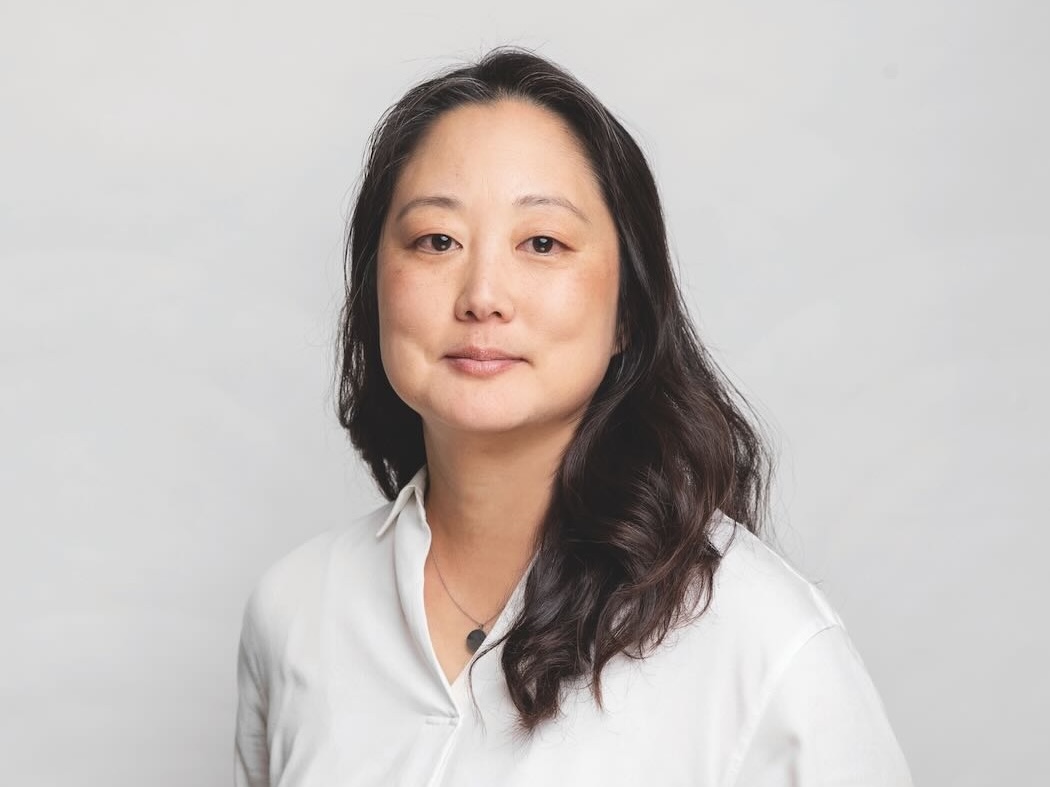
A Message from Dean Esther Kim
This year, the Faculty of Rehabilitation Medicine turns 50. We were the first faculty of our kind in Canada, and we remain the only freestanding Faculty of Rehabilitation Medicine in the country. But as you'll discover in this report, our story begins well before 1976 — with a handful of students, an urgent need and a purpose that has guided us ever since: enhancing life through rehabilitation.
Esther Kim, PhD, R.SLP, CCC-SLP
Dean, Faculty of Rehabilitation Medicine
Leadership Update
Esther Kim was appointed dean of the faculty for a five-year term, effective July 1, 2026.
Effective April 1, 2026, Mark Hall was appointed as vice dean alongside his current role as associate dean of teaching and learning. John Misiaszek returns as associate dean of research for a nine-month term through the end of the year.
Why we began
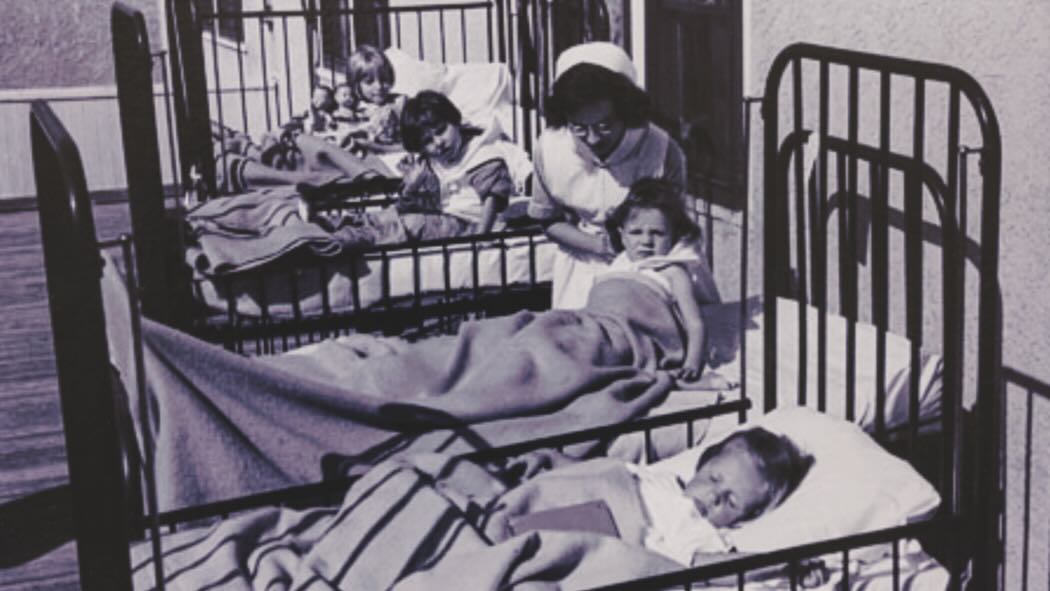
First, there was a need. Alberta's response to polio helped shape a new generation of rehabilitation professionals — and a vision of recovery that reaches beyond physical function.
From quonset hut to a faculty
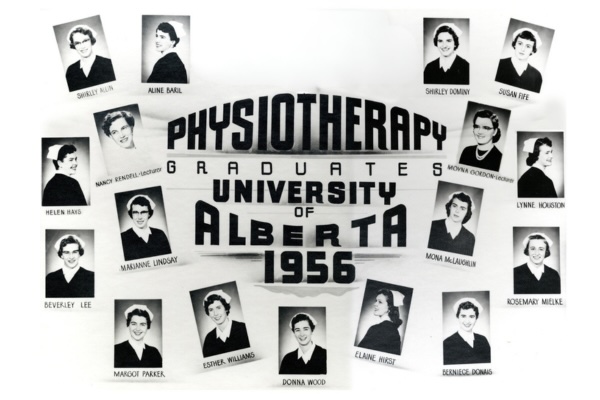
Elaine Roberts’ story connects our first class of 17 students with more than seven decades of change.
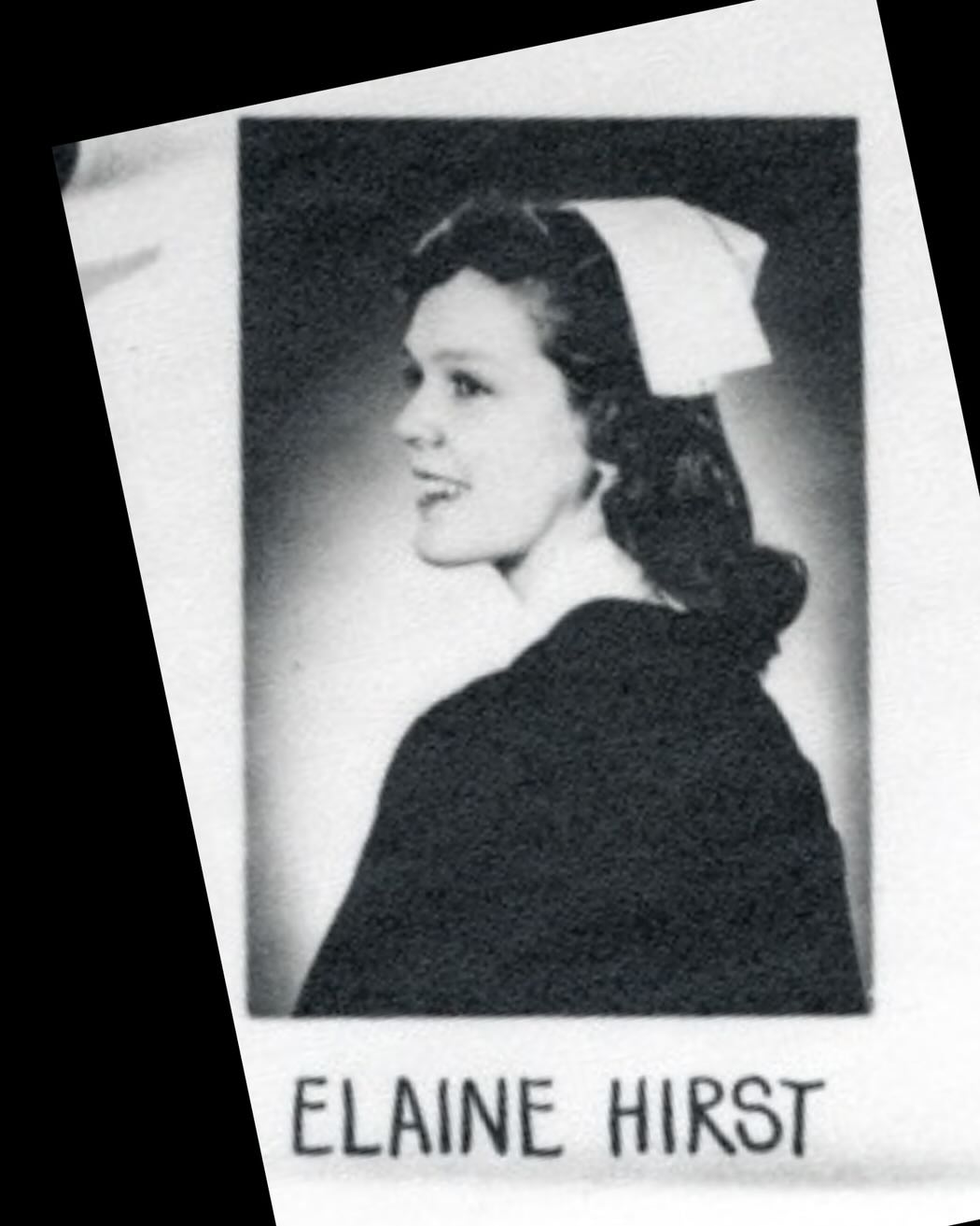
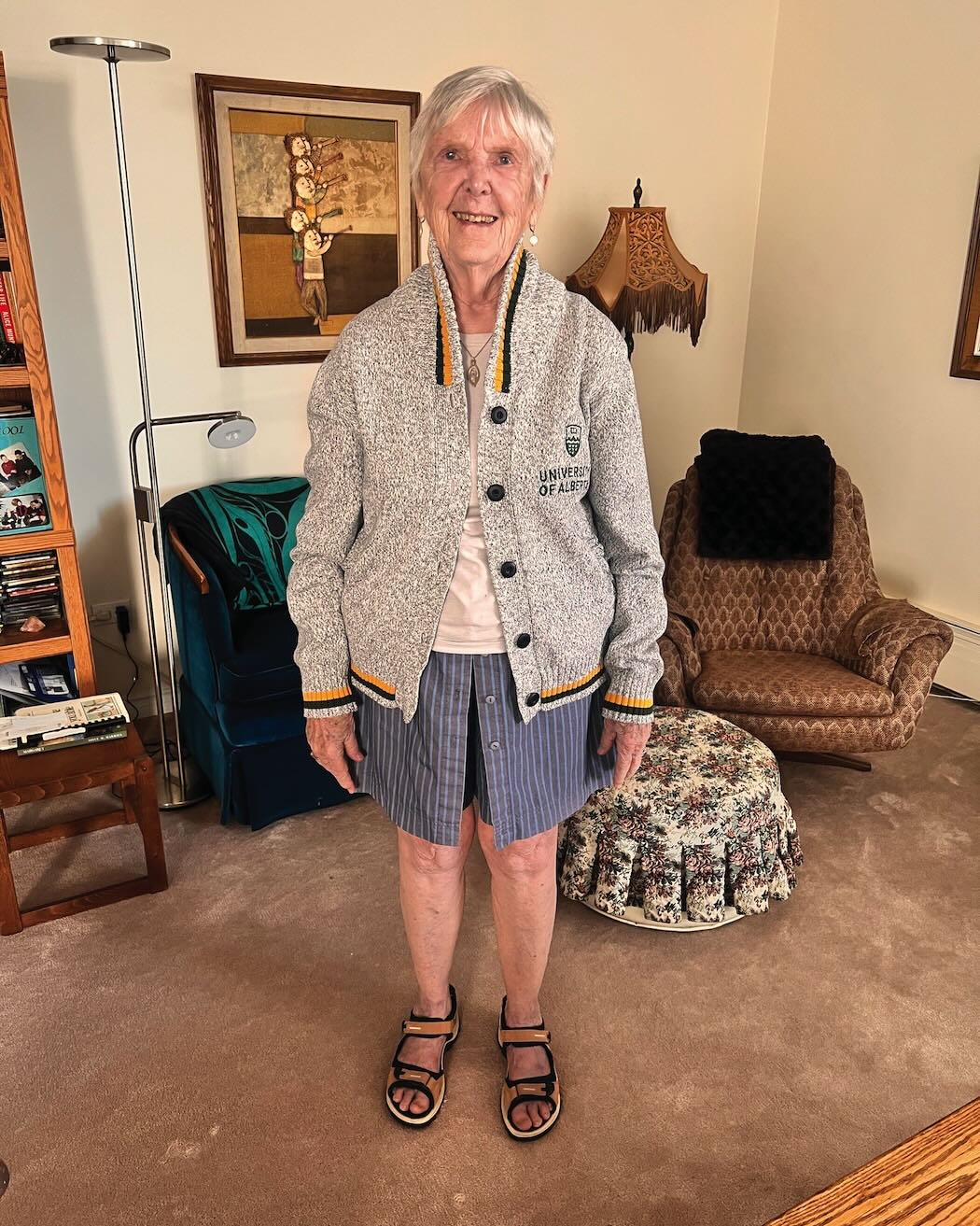
"We've never taught girls before."
That's how anatomy professors welcomed Elaine's class in 1954.
Rehabilitation medicine has helped reshape who belongs in health-care classrooms and leadership roles.
77%
of our students today are women
Did you know?
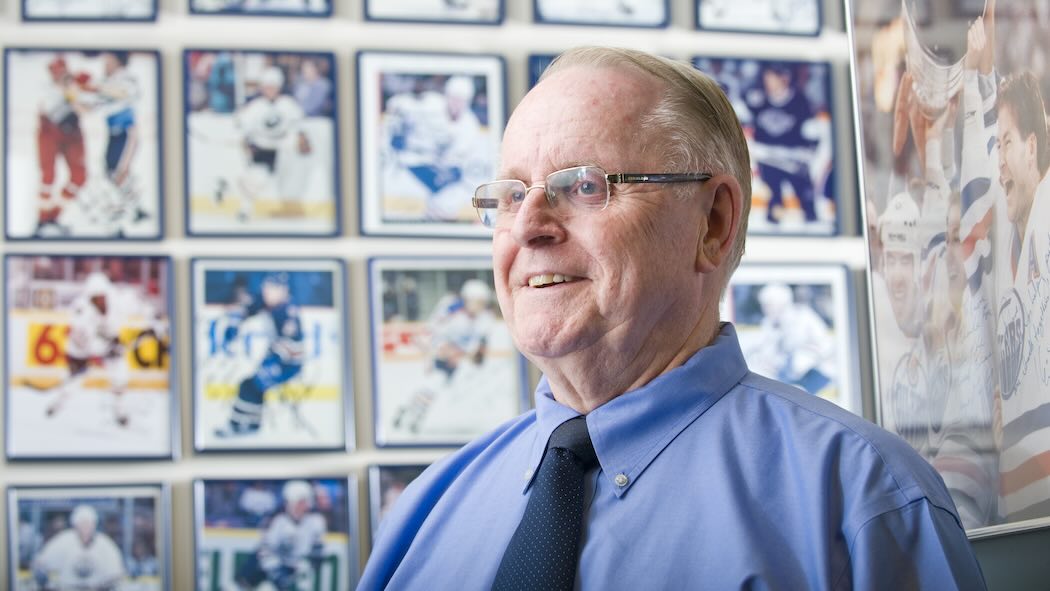
Before NHL teams had their own medical staff, David Magee treated the Edmonton Oilers’ dynasty-era players in Corbett Hall, sometimes starting at 5:30 a.m.
“I can’t tell you how many times I wouldn’t have been able to play unless he was there.
Kevin Lowe
Bringing rehabilitation closer to home — and shaping care with the communities we serve.
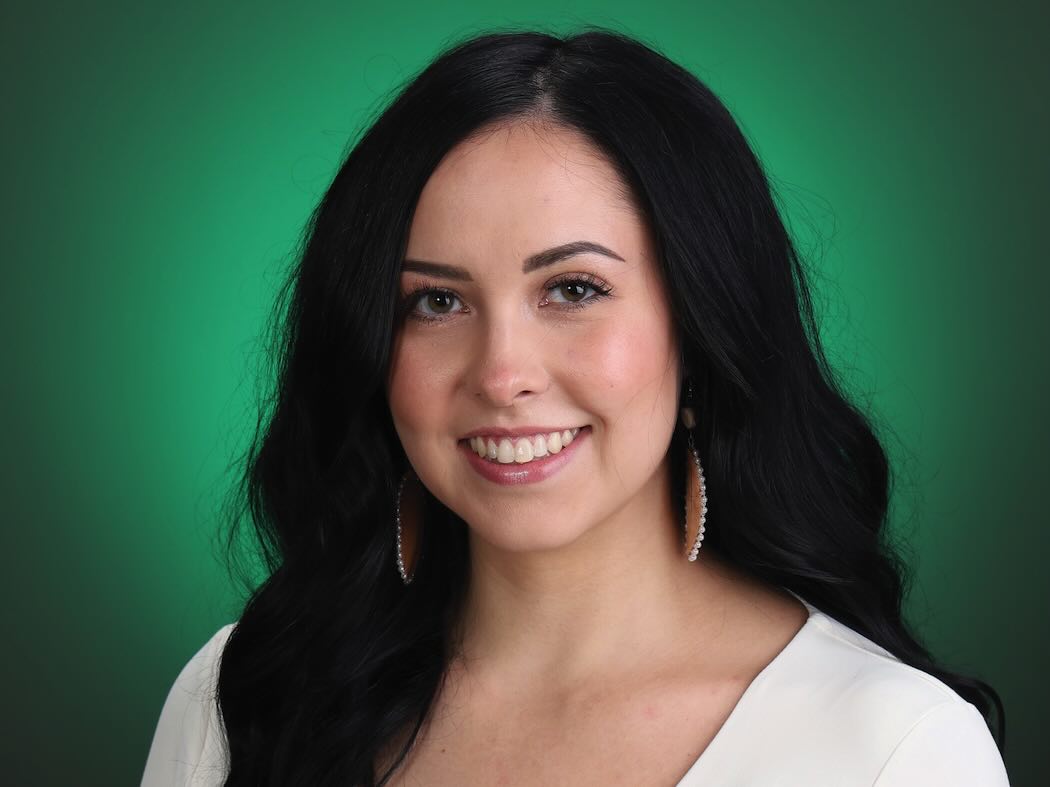
Bringing rehabilitation home
When Hayley Laughlin returned to High Prairie, she became the community’s first full-time occupational therapist in nearly a decade. Her experience now helps shape how future clinicians learn.
“Connection to place is a huge part of who someone is.
Hayley Laughlin
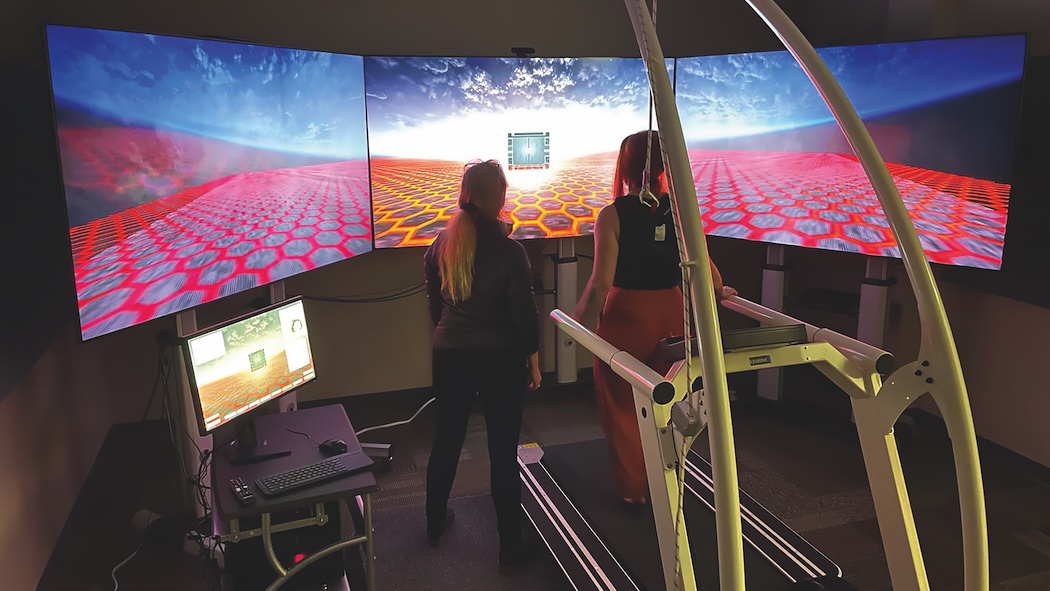
Reaching more people with PTSD care
HiMARC is expanding access to a promising PTSD therapy, 3MDR, by training the clinicians needed to deliver it — helping veterans, first responders, health-care workers and others living with trauma receive care.
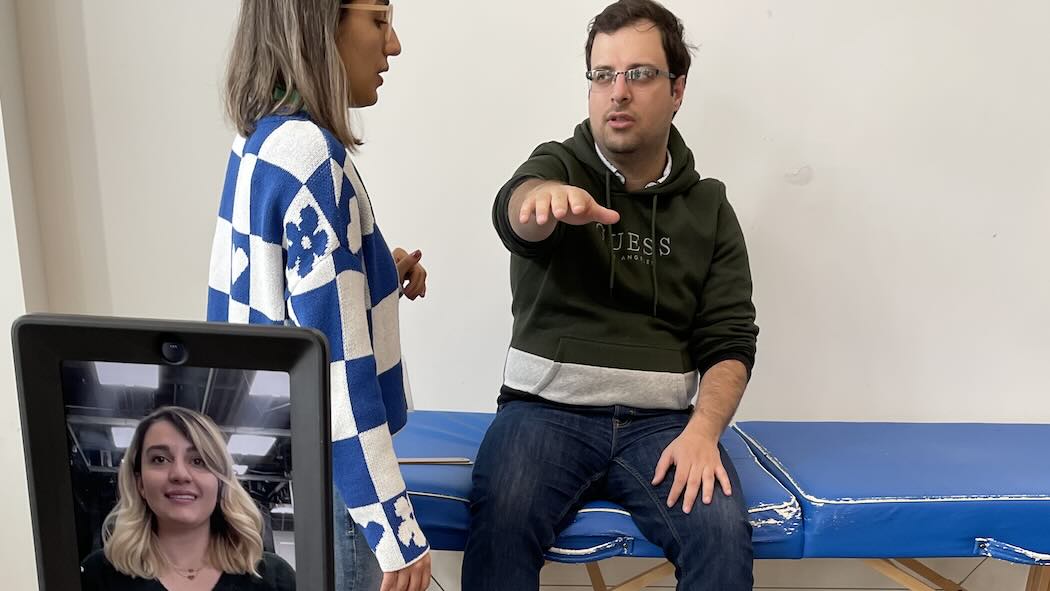
Bringing specialists within reach
Led by Lauren Beaupre and Martin Ferguson-Pell, ARMS UP uses telerehabilitation and telepresence robotics to bring specialized care closer to home for rural Albertans. Initially developed for shoulder rehabilitation, the model is being expanded to hip, knee and stroke care.
Navigating communities with confidence
Accessibility starts before the front door. Through technology and education, we’re helping identify barriers and rethink how communities support everyone’s participation.
Identifying barriers before the journey
A snowbank, construction zone or broken elevator can change an entire journey. Developed through our Rehabilitation Robotics Laboratory, The Atlas is a free navigation app that uses crowd-sourced information and artificial intelligence to help people with mobility challenges identify barriers before leaving home.
Master’s student Arne Andres, a wheelchair user, brings personal experience to this research. He is using AI and GPS to map mobility barriers across North Campus, sharing findings with campus planners to help inform improvements.
Challenging assumptions through art
Who gets considered when we design our communities — and who gets overlooked? In Structural Inequality and Human Occupation, taught by David McConnell, MScOT students explored how systems and assumptions shape participation in everyday life.
Their public Resistance Art Walk invited people to consider whose abilities, needs and experiences are reflected in our buildings, streets and cities — and how those choices determine who can participate.
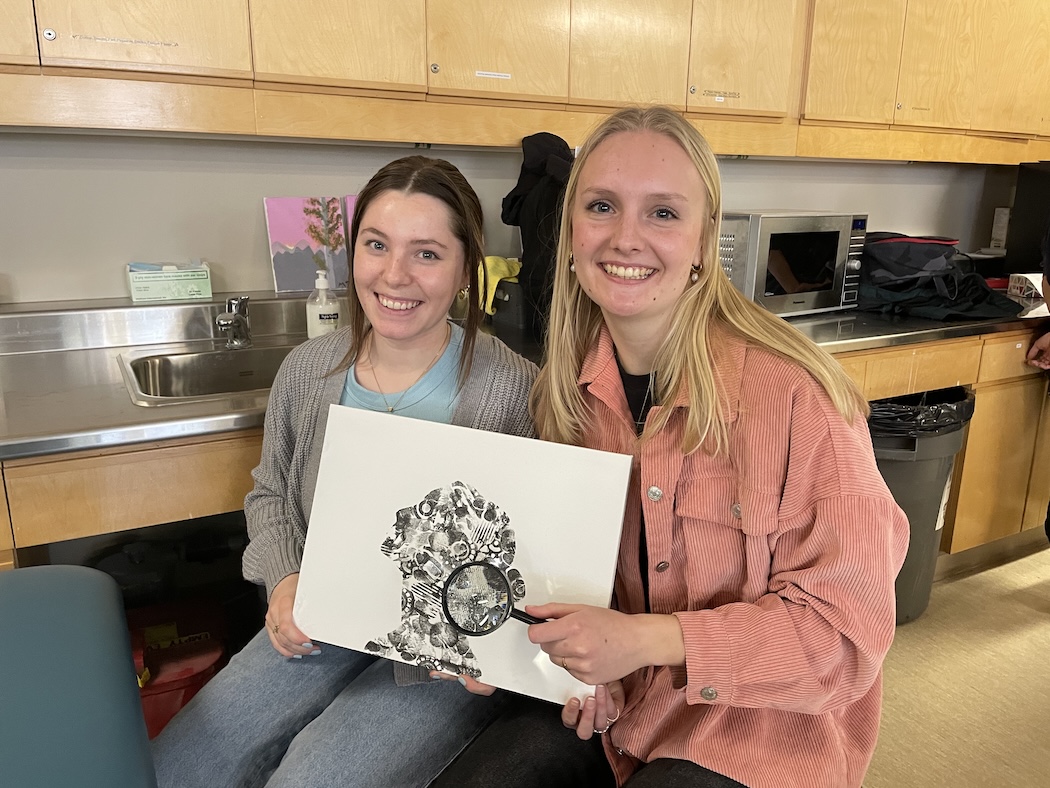
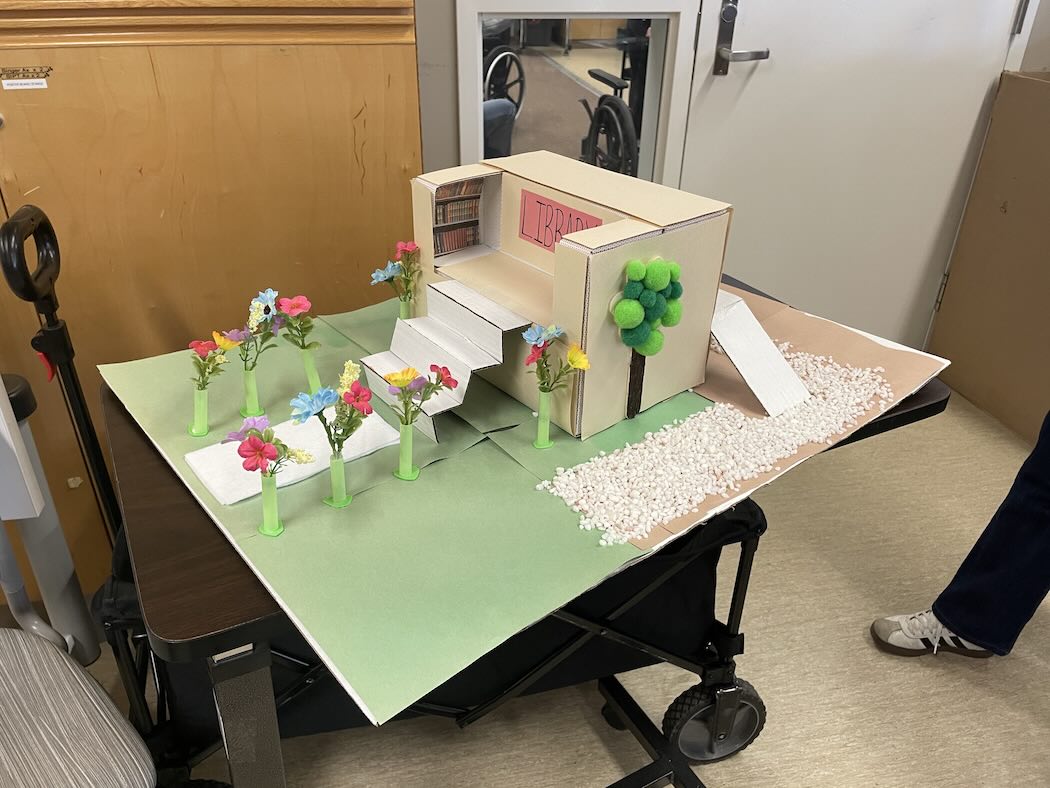
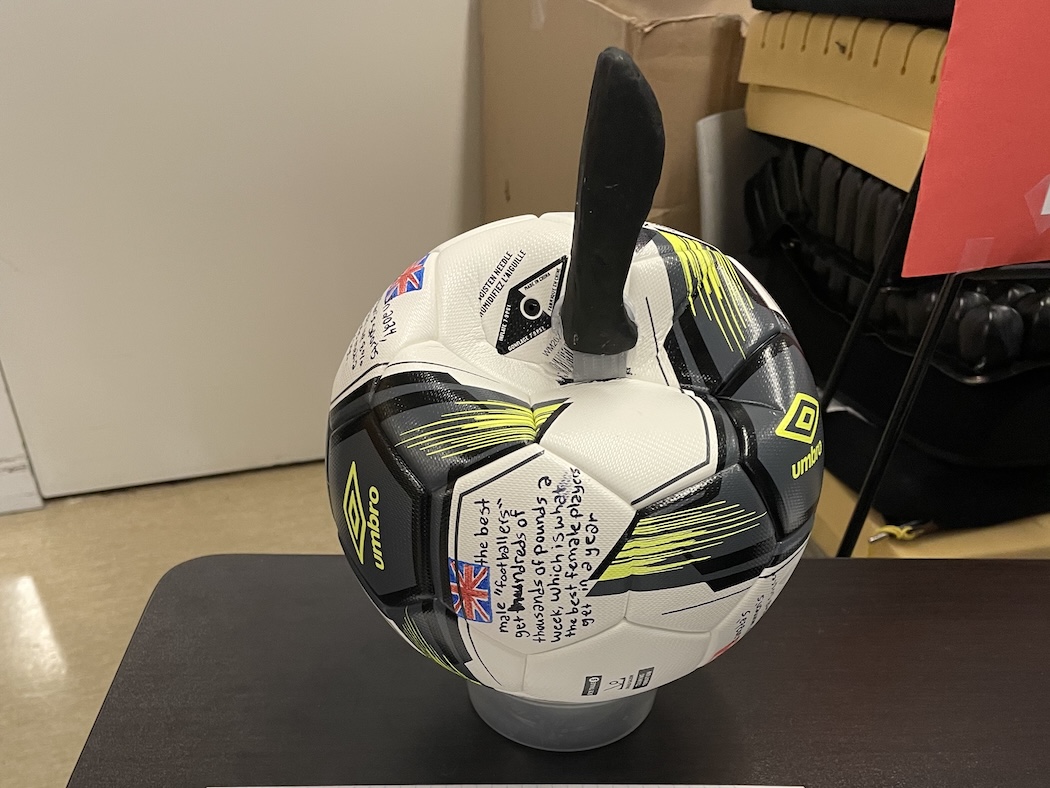
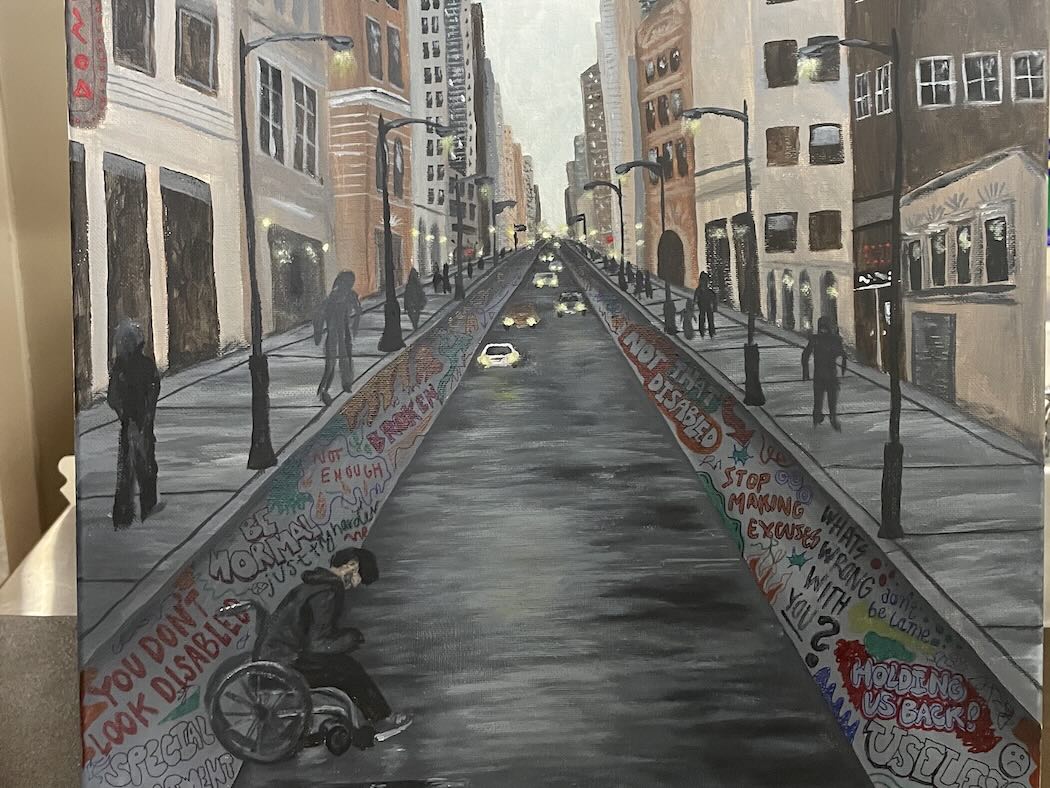
Partnerships in Action
Opening pathways
Work with Treaty 8 communities includes a dual-credit Introduction to Rehabilitation course that introduces high school students to rehabilitation education and careers.
Shaping care together
Our partnership with the Indigenous Wellness Clinic supports culturally responsive care. We are also exploring OT capstone projects in Maskwacîs and a student-led teaching clinic and regular physical therapy service at Paul First Nation.
Learning through relationships
Indigenous curriculum consultant Tashina Makokis helps bring Indigenous perspectives into teaching. Community placements, wellness events and opportunities to participate in ceremony deepen students’ learning.
Creating Belonging
Indigenous engagement and partnerships coordinator Ralph Makokis mentors Indigenous students and strengthens community connections. Alongside the Space of Truth and Reconciliation, this work supports spaces for learning, reflection and belonging.
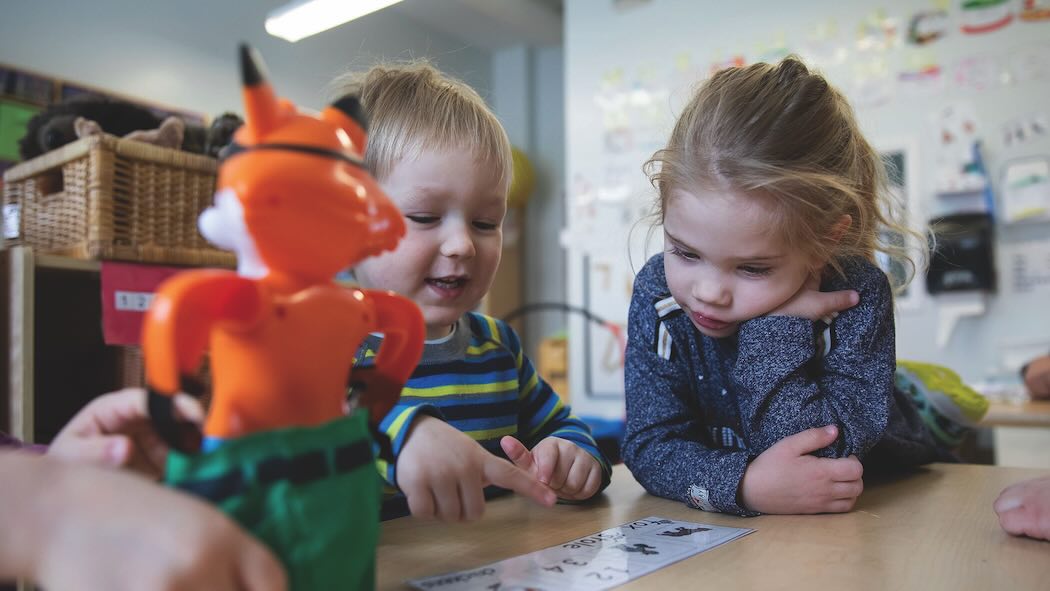
Back-seat stories
At three, Brynn spoke only a handful of words. Through the Corbett Hall Early Education Program (CHEEP), she built communication skills and confidence with support from experienced clinicians and student therapists. Today, she’s thriving in elementary school — and her family’s friendships with other CHEEP families continue.
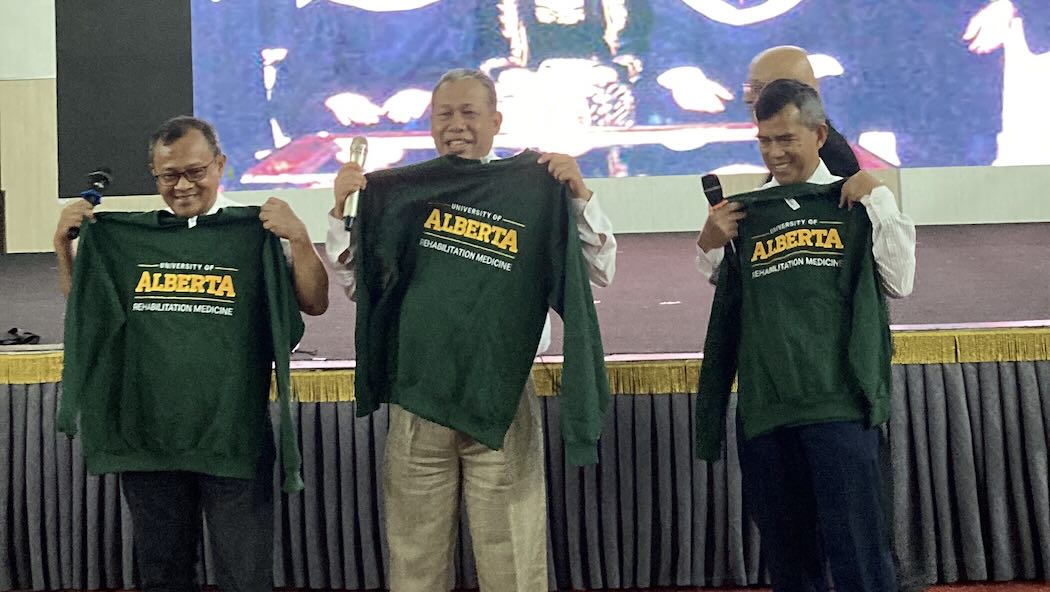
From four students to a national movement
Four Indonesian clinicians trained at the U of A before establishing their country’s first occupational therapy education program. Three decades later, professor Shaniff Esmail is helping build on that partnership through a national curriculum and new programs — preparing more educators and therapists to meet Indonesia’s rehabilitation needs.
Rehabilitation across Alberta
Ten clinics and camps across the province, where care and teaching happen in the same room:
Learning through care
Students build their skills by helping people take part in everyday life.
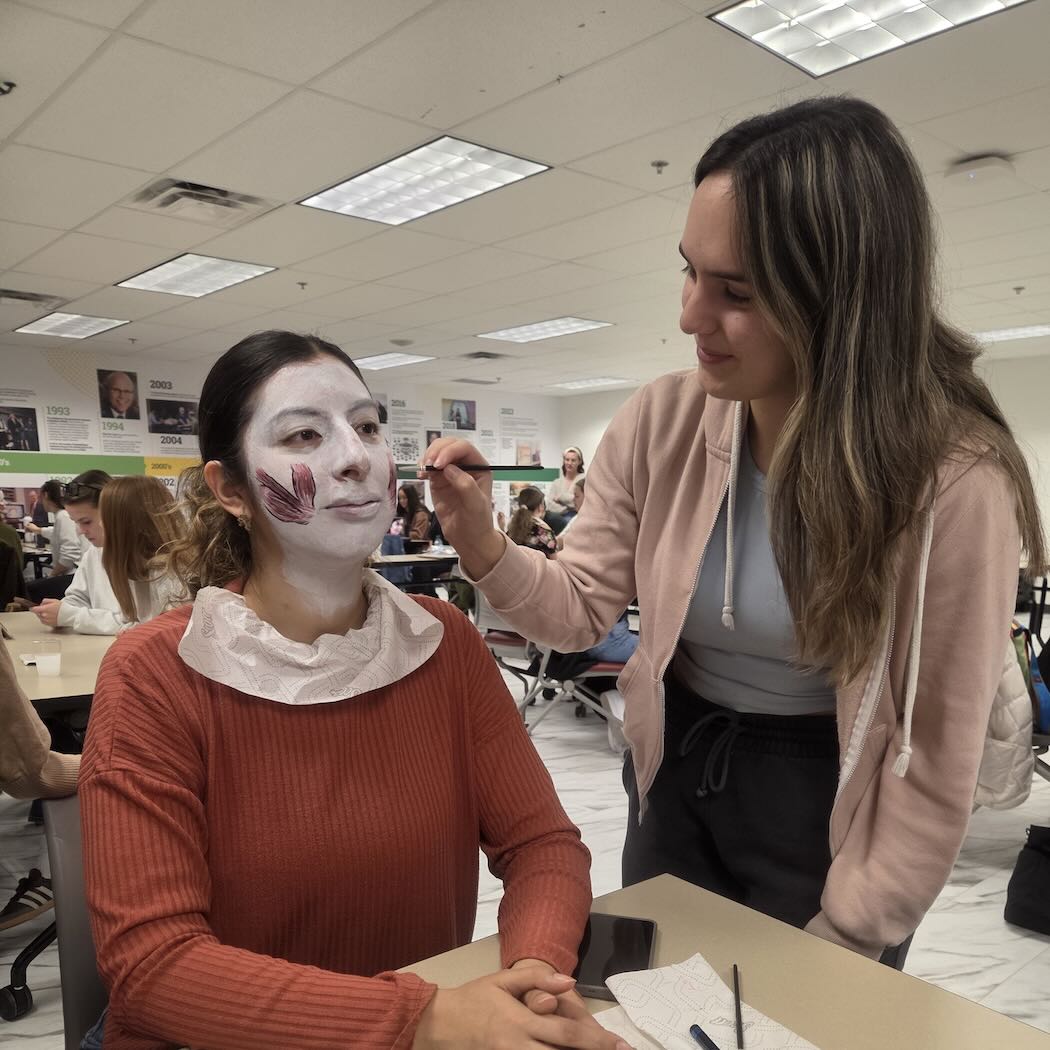
“
“First-year MScSLP students took part in anatomical body painting during CSD 502 (Anatomy and Physiology). I had the chance to visit the lab a few times and watch as students gradually transformed — carefully painting the musculature of the face… onto their own faces. The room was filled with laughter, curiosity, and deep learning, making it a memorable moment that perfectly captured the creativity and hands-on spirit of our programs.
Monique Charest, Associate Professor and Interim Chair, Department of Communication Sciences and Disorders
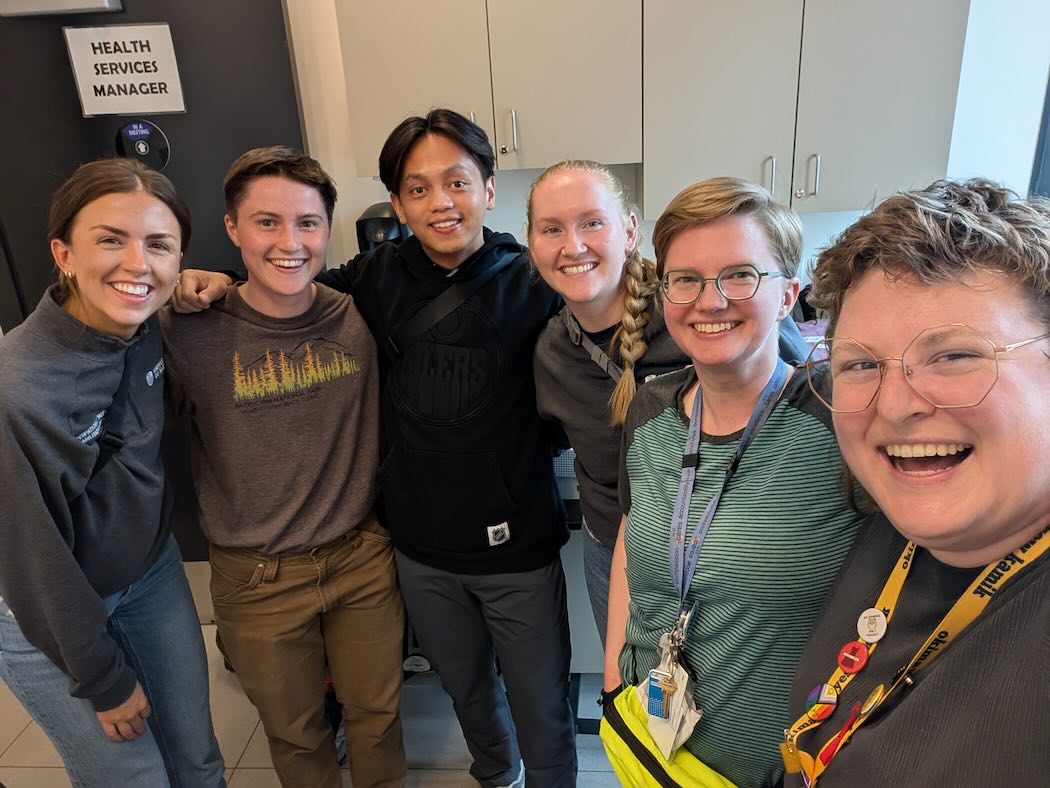
Helping people move through their day
Occupational therapy students partner with Boyle Street Community Services and Hope Mission to offer walk-in walker clinics in Edmonton’s inner city. With donated equipment and community support, they help people access properly fitted mobility aids while gaining hands-on experience.
At the latest clinic: 53 people served
16
new walkers provided
27
new walkers distributed
3
repaired and returned
3
funding authorizations completed
The first OT in the room
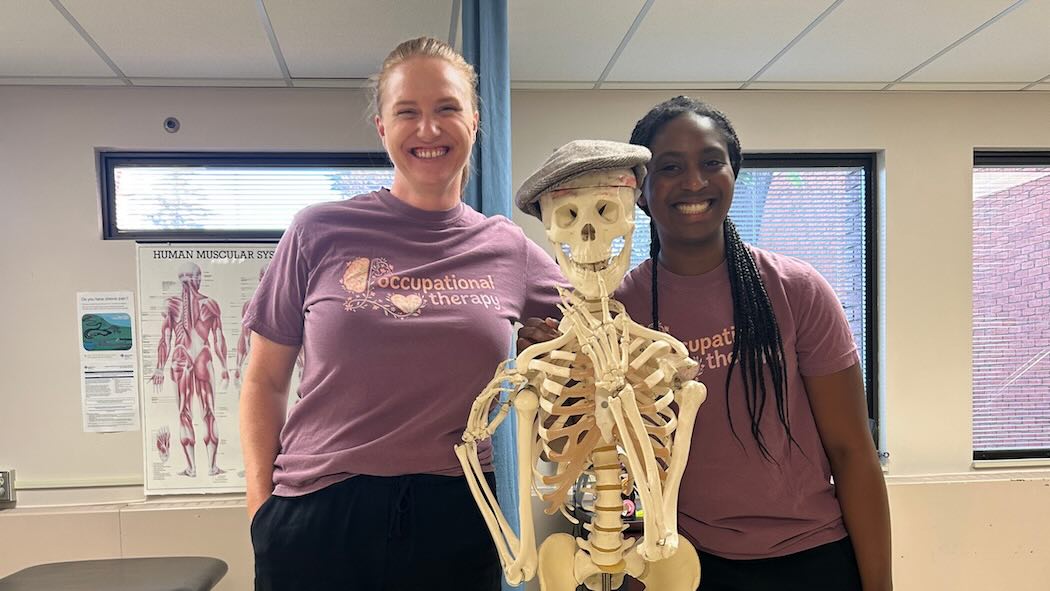
In Camrose and Calgary, occupational therapy students are bringing their profession into places that have never had an OT. They work with shelters, schools and community organizations, finding out what each one needs and designing a solution. One team built an interview tool that the Calgary Drop-In Centre now uses in its housing intake. The placements last a few months, but the tools and the new ways of seeing a problem stay behind.
Learning that goes both ways
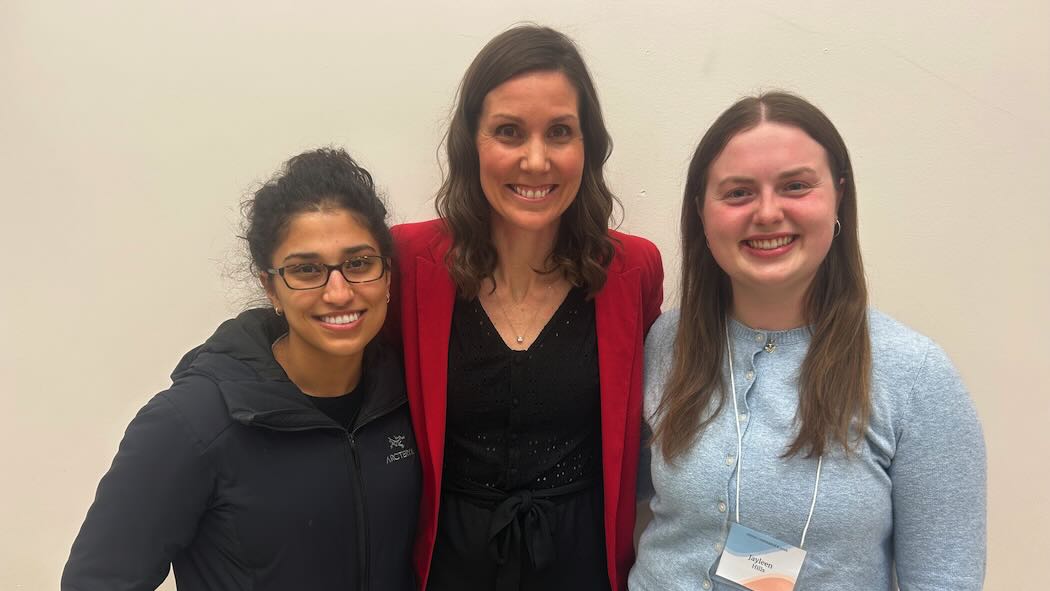
During a Covenant Health placement, occupational therapy students Jayleen Hills and Élise Machado developed practical solutions to gaps in rural long-term care services. For clinical educator Whitney McKenzie, their fresh perspectives reinforced how placements strengthen both student skills and educators’ practice.
Learning that stays with you
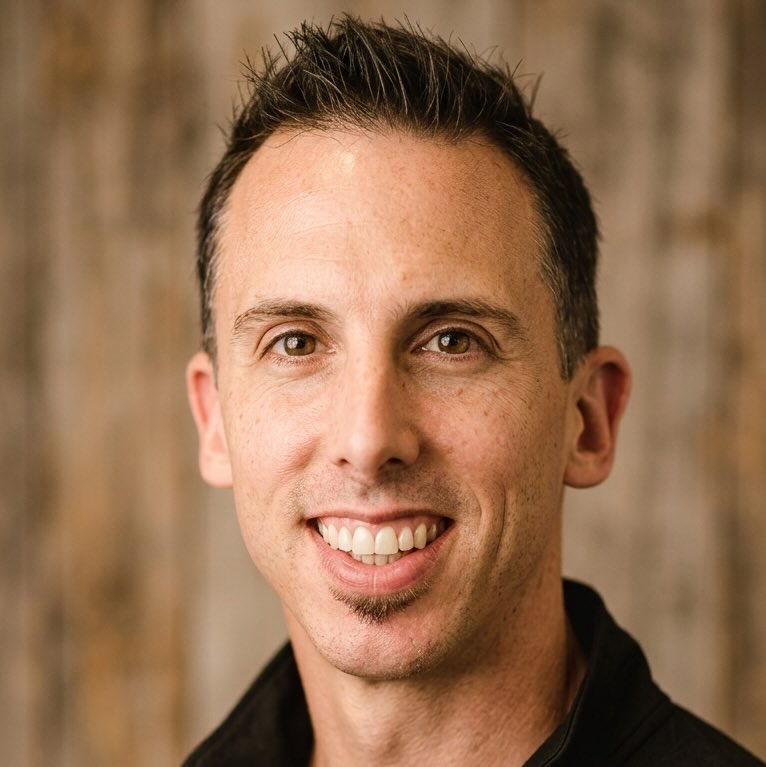
On Friday, her family was called in to say goodbye. By Saturday morning, everything had changed. For alumnus Jon Ashmead (MScPT ’06), helping a young mother through transplant rehabilitation became a defining experience — one that still moves him nearly 20 years later.
Opening up what's possible
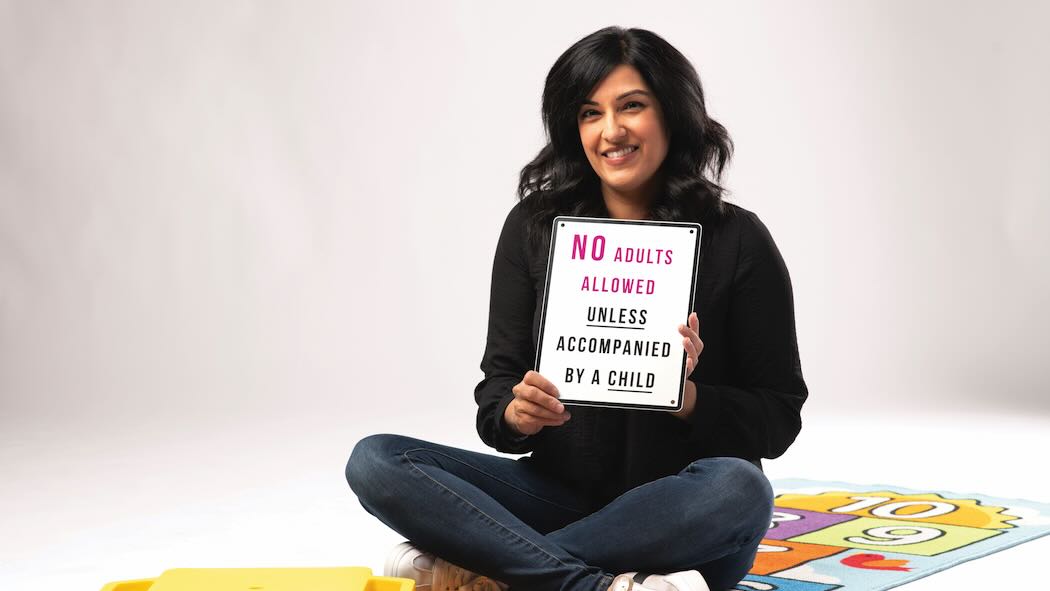
For nearly two decades, alumna Farrah Hasham (MScPT ’07) has helped children build independence through pediatric physical therapy. From home- and school-based care to adapted cycling, she centres each family’s goals — helping children participate in everyday life and discover what’s possible.
Turning experience into care
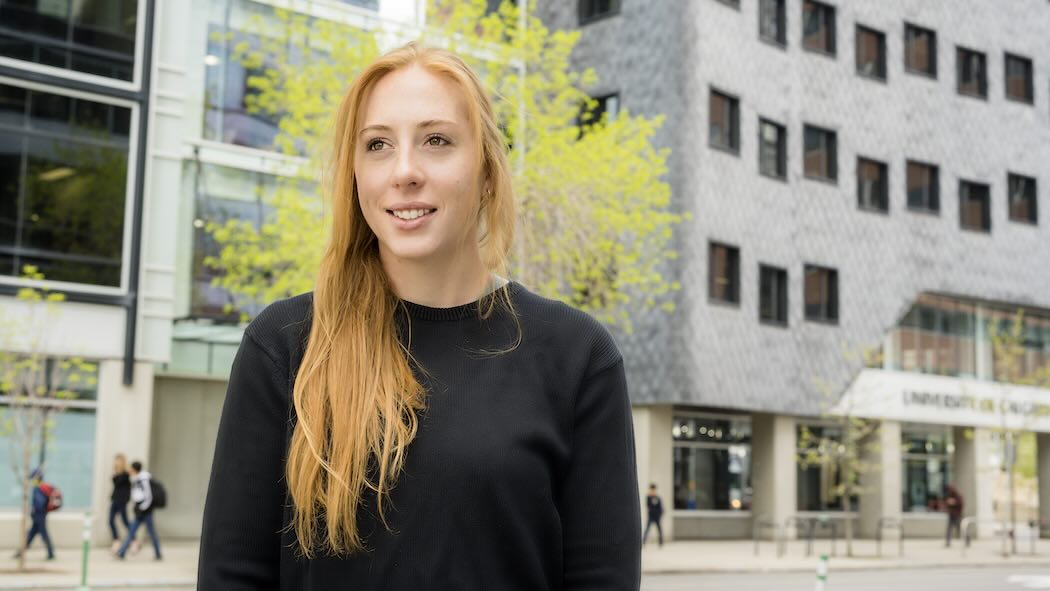
Two-time Olympian Allison Beveridge traded professional cycling for a career in physical therapy, graduating from the U of A’s Calgary program. Her experiences recovering from injury, combined with diverse clinical placements, shape a practice grounded in empathy and each patient’s goals.
The words she thought were gone
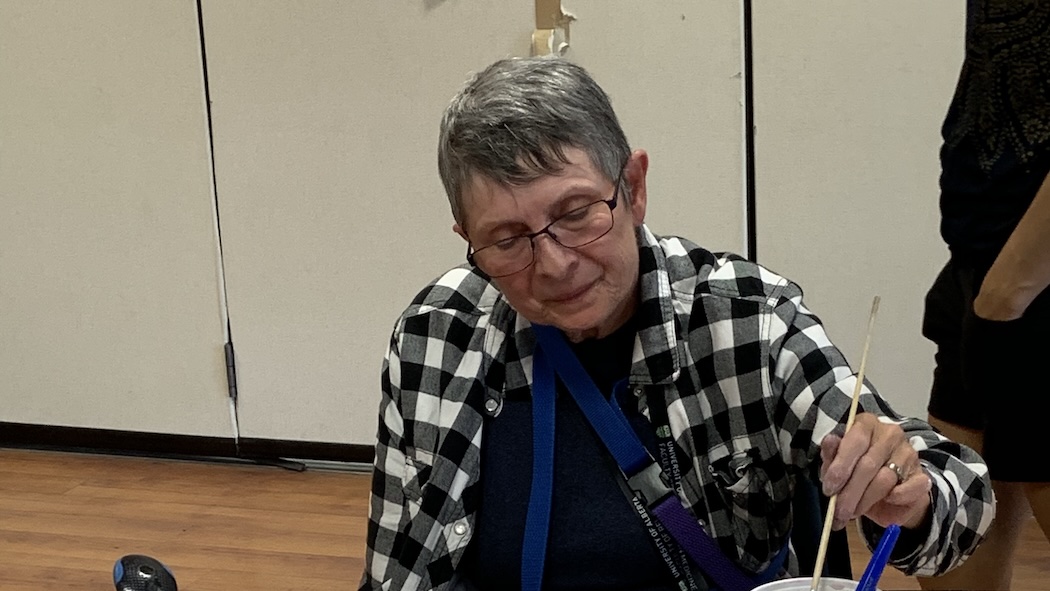
After two strokes left Judy Hilton with severe aphasia, the Corbett Aphasia Rehabilitation and Education (CARE) program helped her rebuild communication and confidence. Supported by speech-language pathologists and student clinicians, she found a community that understands her challenges — and renewed opportunities to connect, create and participate in everyday life.
From patient to practitioner
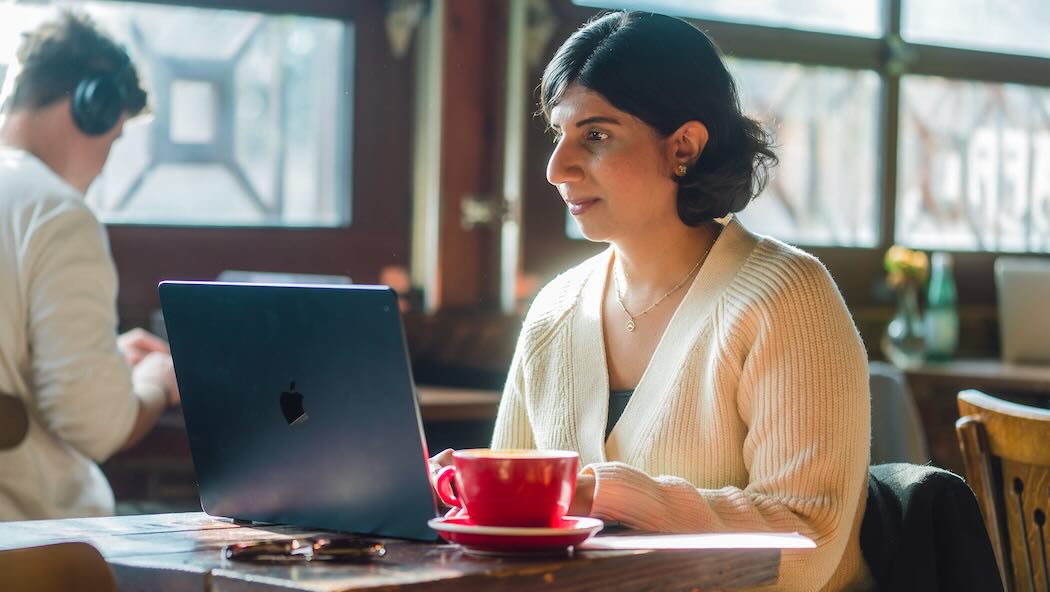
Long before Alyshah Walji became a speech-language pathology student, she experienced rehabilitation as a patient. Living with low vision — and later undergoing cancer treatment during graduate school — she relied on rehabilitation to maintain her independence. Those experiences deepened her determination to help others.
The camp that became a community
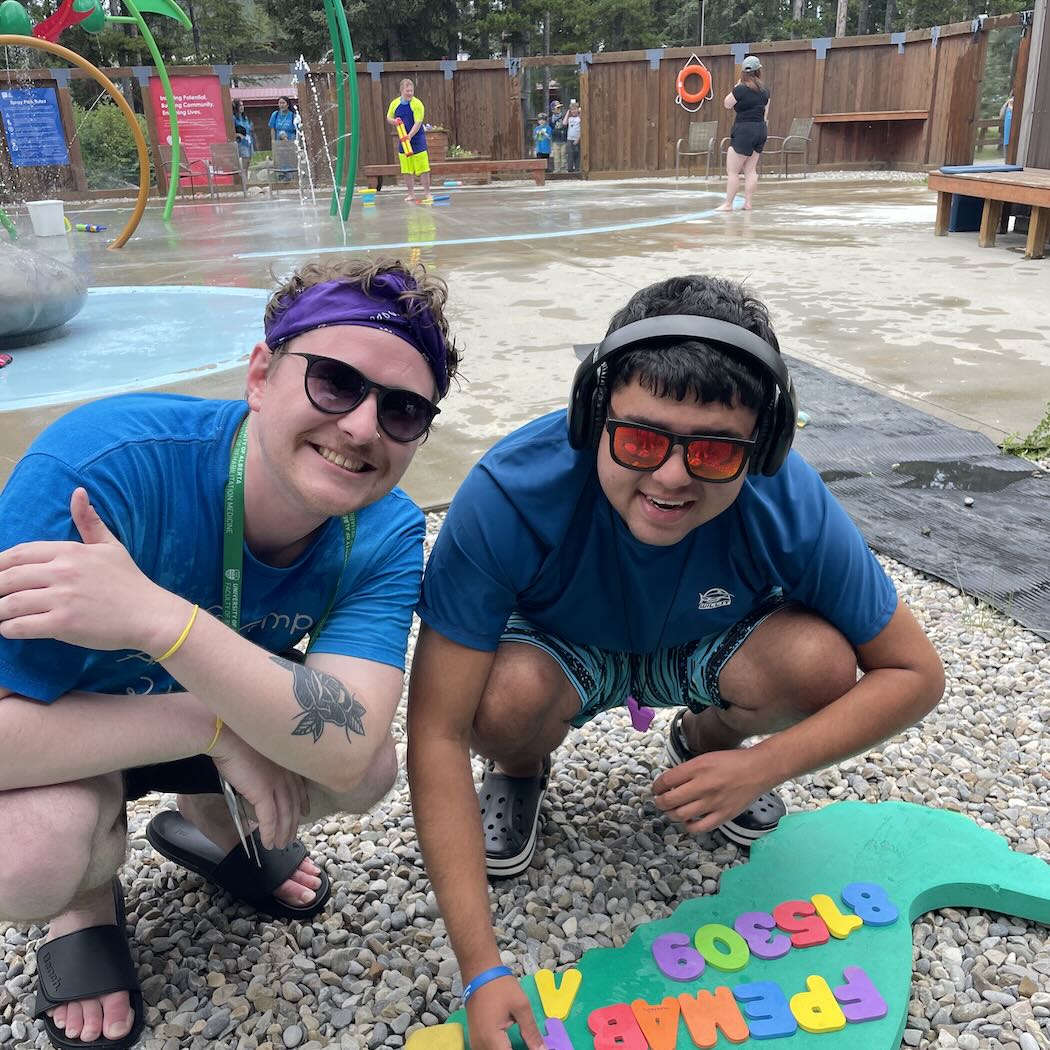
For 10 years, our AAC Camp has been a place where children can be themselves, build friendships and find their voice
Read about 10 years of AAC Camp
“
“My favourite FRM moment was welcoming campers to the first Alberta Aphasia Camp in September 2014. Rhonda Kajner and I had spent years developing the idea alongside our work at the Glenrose. With FRM’s support, it became a student capstone project—and then a reality. Watching campers arrive was overwhelming and emotional. Every year since has reminded me why we worked so hard to make it happen. It remains a career-defining moment
Andrea Ruelling, Associate Teaching Professor, Department of Communication Sciences and Disorders
1,589
student placements — 172 out of province, 10 international
146
participants at AAC Camp Alberta
92
participants at Alberta Aphasia Camp
1,124
clinical educators
Learning never stops
Rehabilitation keeps evolving. Through graduate certificates, online micro-courses and professional development, we help clinicians bring new evidence and skills back to the people they serve.
22,700+
continuing education learners since 2009
3,600+
learners in 2025–26
Then: Connecting clinicians across Alberta
In 2000, the Alberta Rehabilitation Continuous Learning Network began bringing expert-led learning to communities through satellite broadcasts, videoconferencing and emerging web technologies — long before online learning became everyday practice.
Now: New knowledge, stronger care
Developed with researchers, clinicians and health-care organizations, today’s continuing education responds to emerging evidence and changing practice needs. Learning reaches beyond the course, into clinics and communities.
Creating pathways to practice
Internationally educated physiotherapists arrive in Alberta with deep clinical expertise. What they often lack is a clear way into practice. Western Canada’s first university-based bridging program has helped thousands of them start practising across the region, and a similar model now supports internationally educated occupational therapists.
Where the bricks led
For nearly a decade, researcher Kim Adams opened her assistive technology lab to young LEGO robotics teams. This year, a Grade 12 student named Ethan wrote to her hoping to build technology for children with physical disabilities. Now he’s heading to the U of A, where his brother is also studying physical therapy.
Research that changes practice
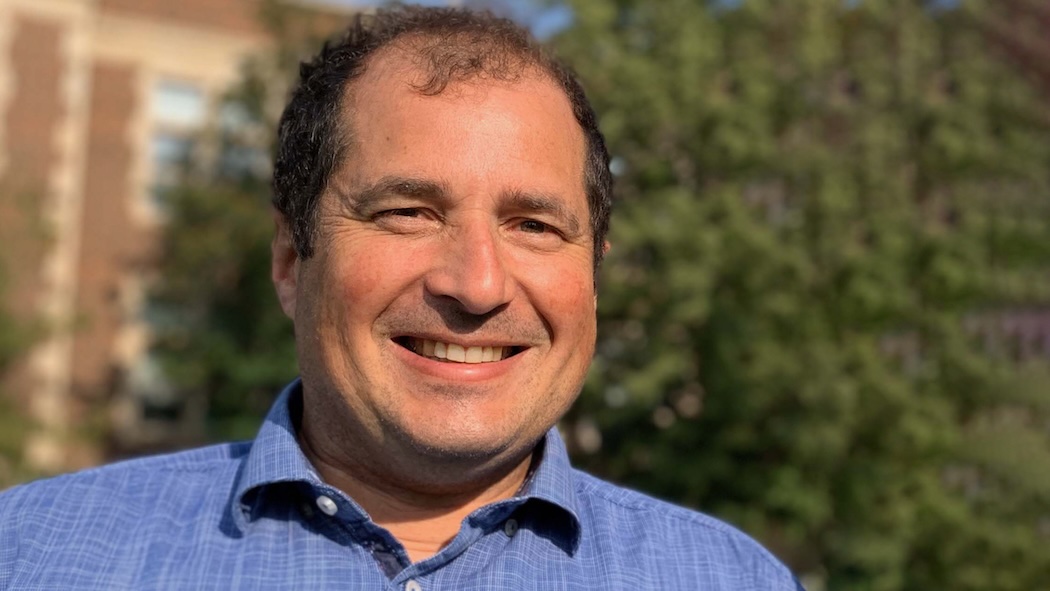
Sharing knowledge that accelerates discovery
What happens to research findings that never get published? Karim Fouad is helping put them to work. An open data-sharing platform he co-leads is making spinal cord injury research more accessible — so scientists can connect findings, avoid duplication and move discoveries closer to patient care.
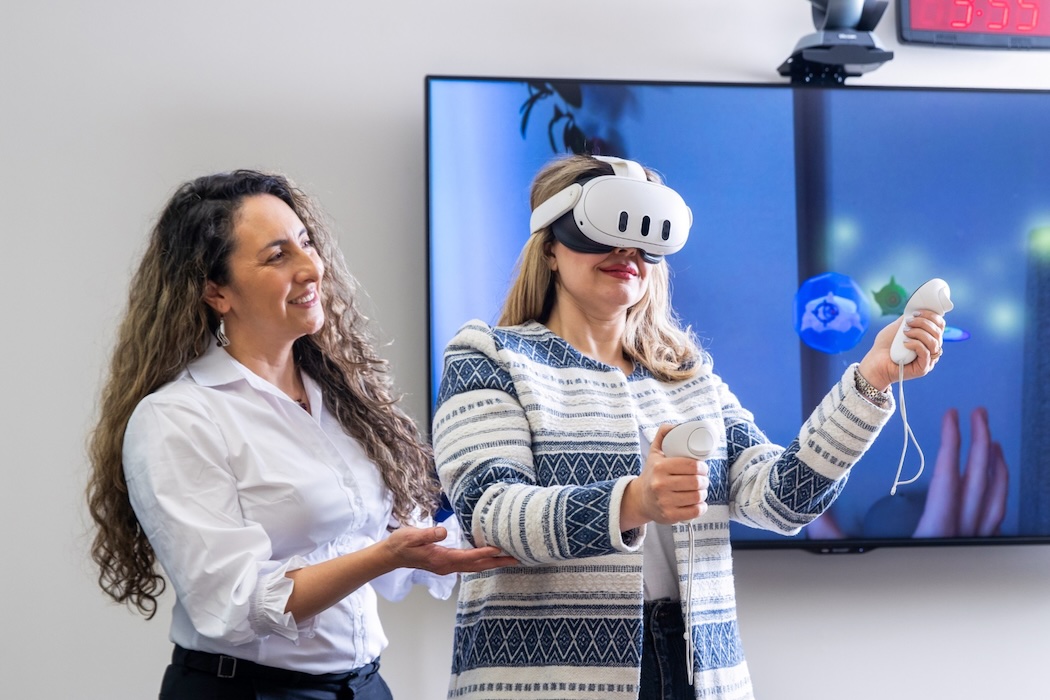
Making rehab smarter
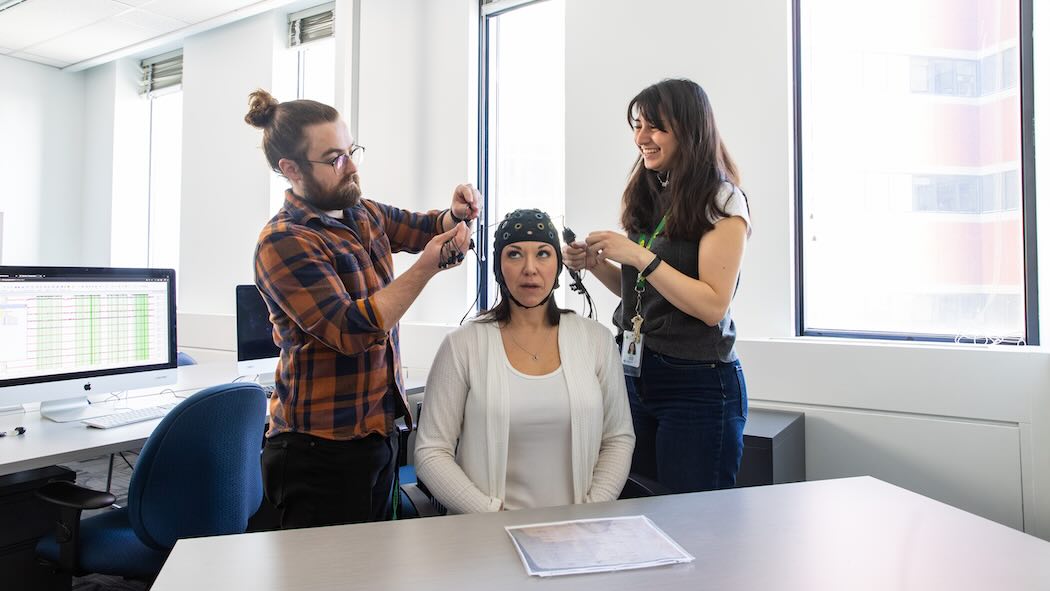
The right challenge can keep a player coming back — and that engagement could be key to better dementia therapies. Adriana Ríos Rincón is using brain-wave data to measure engagement during computer games, laying the groundwork for adaptive games that could support cognitive function in people living with dementia.
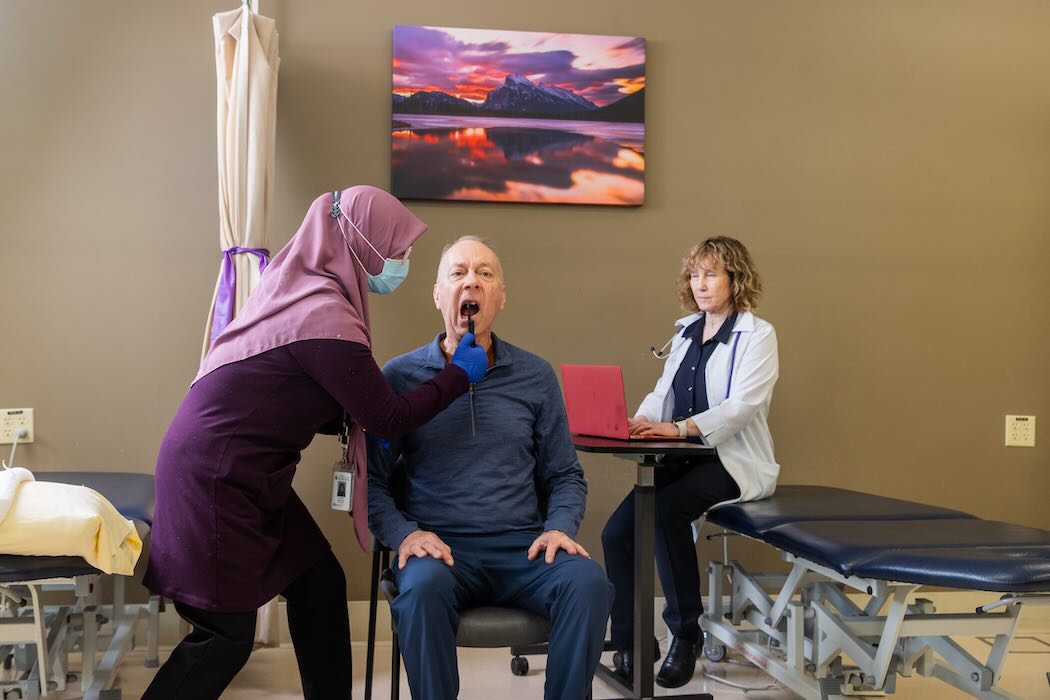
New knowledge, lasting relief
For many cancer survivors, the end of treatment brings another challenge: living with lymphedema. Margaret McNeely’s new research and training program aims to close gaps in early detection and care — building the evidence and clinical expertise to help people manage painful swelling and improve their quality of life.
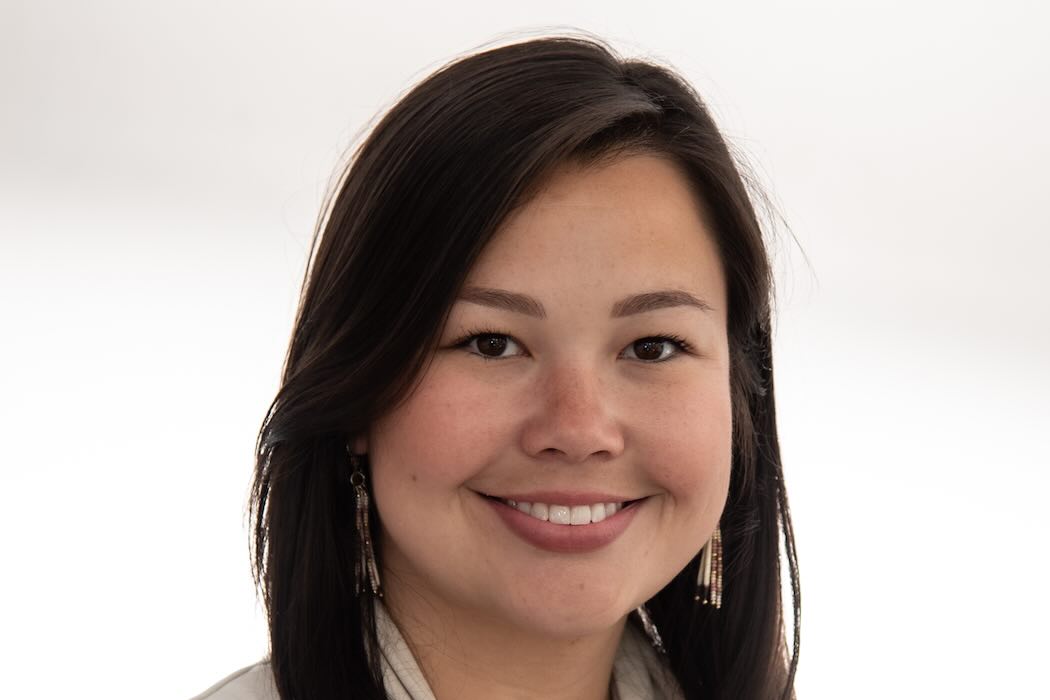
Changing how rehabilitation is taught
Whose knowledge shapes the way we teach care? Occupational therapist and Vanier scholar Katelyn Favel is reimagining OT education with Indigenous ways of knowing at its centre. Rooted in sovereignty and self-determination, her research explores an approach built from the ground up, by and for Indigenous peoples.
What your mouth knows about reading
Even when you read silently, your mouth may have something to say. PhD candidate Mitchell Holmes and professor Jacqueline Cummine are exploring a surprising connection between oral sensation and reading — early research that could help inform new approaches to supporting people with dyslexia and other reading difficulties.
Using lollipops and a mouth-numbing rinse, Mitchell Holmes' research found that oral sensation can affect how the brain processes words.
$7.9 million
in research revenue
208
peer-reviewed publications
22
new research grants
“
““My favourite FRM memory is my defence. I was nervous, but seeing so many supporters in the room and on Zoom changed everything. I felt like a champion before it had even begun.”
Eric Golberg, PhD alumnus, Rehabilitation Sciences
Then. Now. Next.
Then.
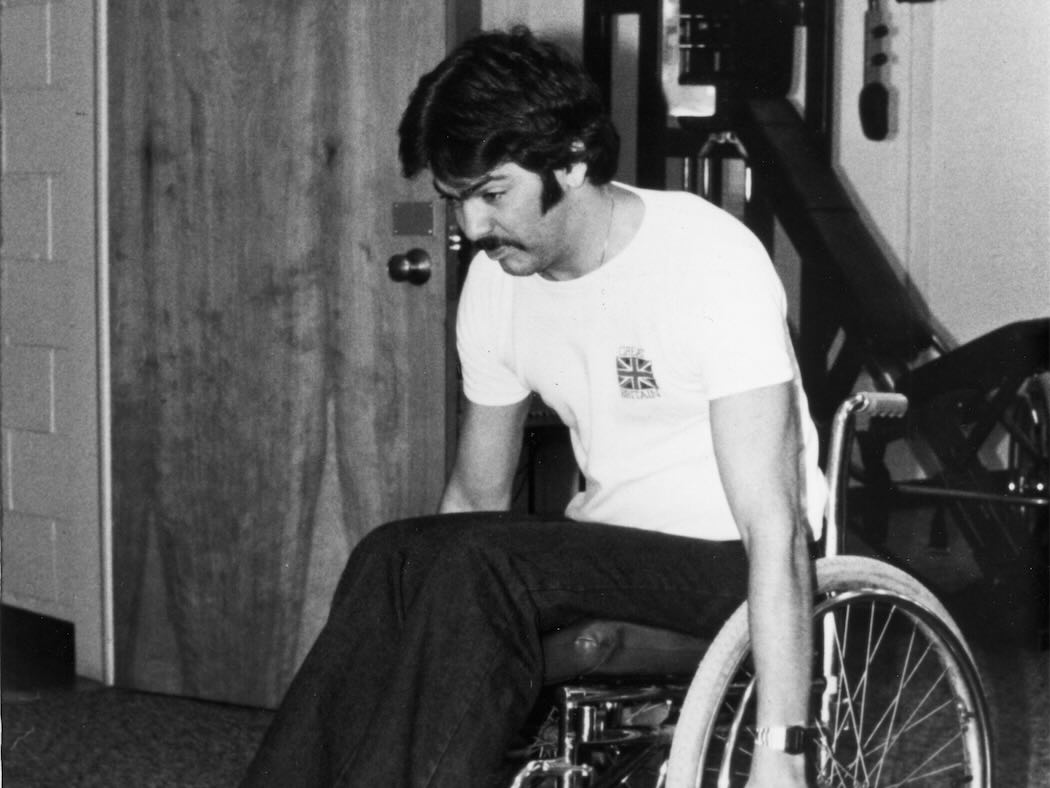
We began by answering urgent needs — helping Albertans recover from polio and return from war.
Now.
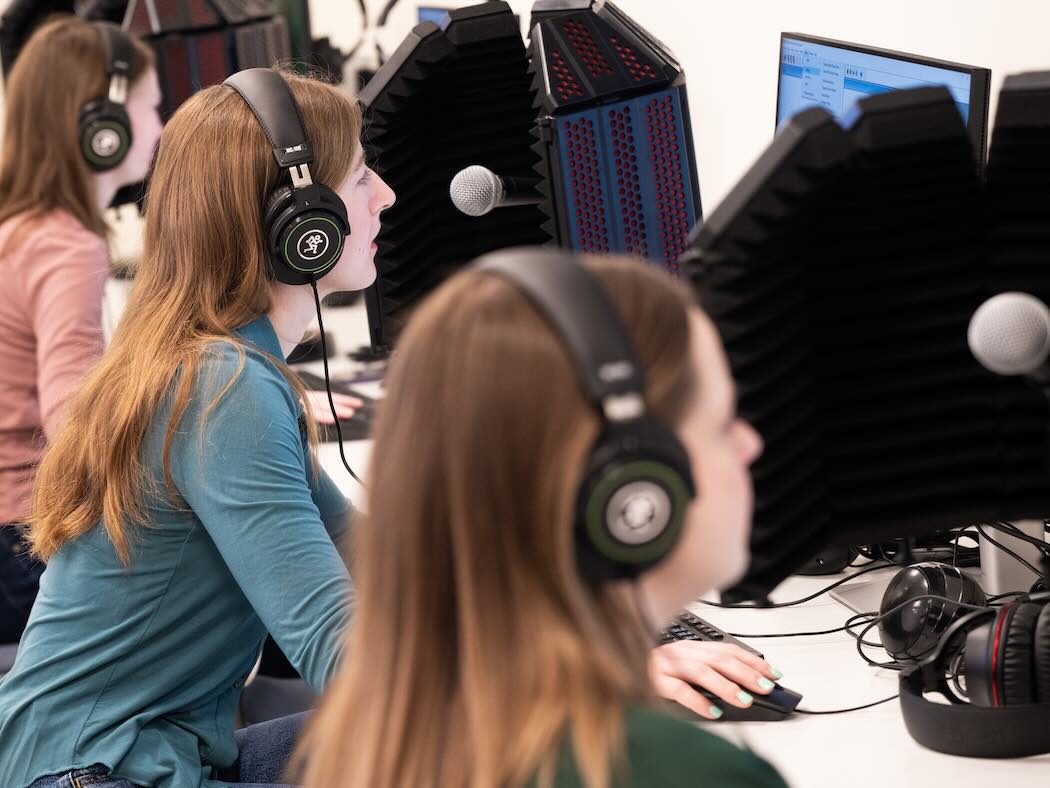
Education, research and care work together — with patients, families and communities — to improve lives across Alberta.
Next.
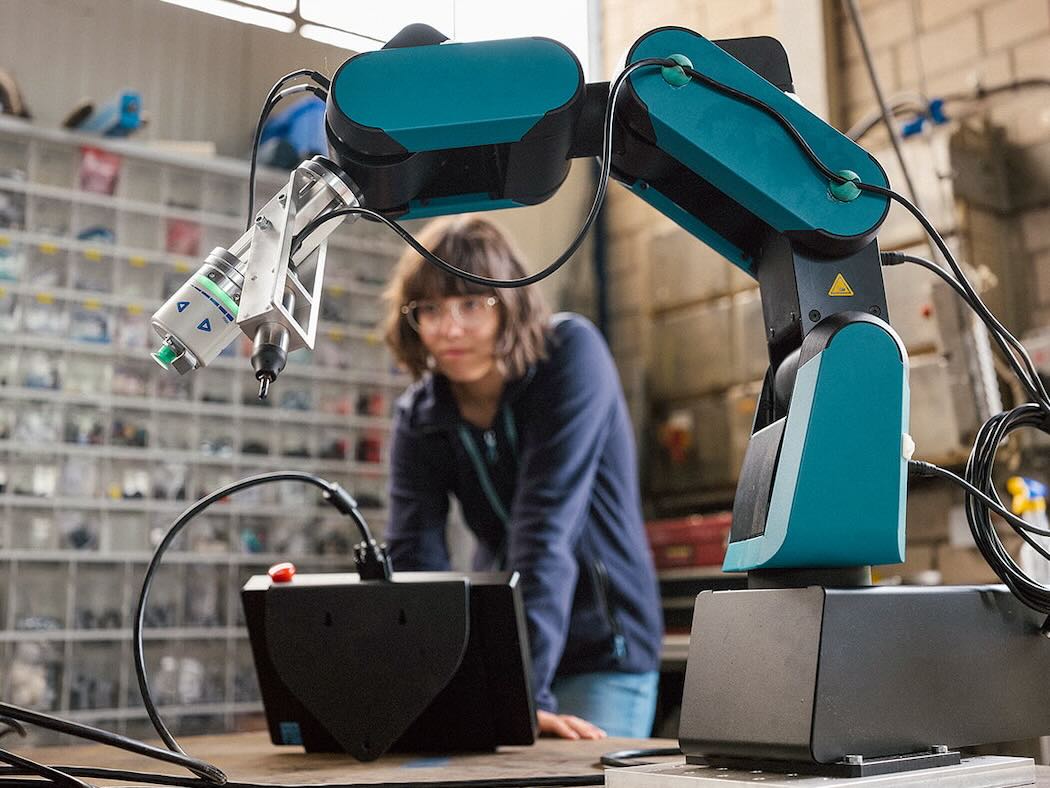
Rehabilitation will be more connected, more accessible and shaped with the communities it serves.
Building our next 50
The next 50 years ask us to imagine more — for rehabilitation and for every life it touches.
Expanding Horizons, our strategic plan for 2026–2030, builds on the relationships, learning and discoveries reflected in this report.
What comes next will be built with the same generosity and commitment that brought us here.
Thank you for making it possible
Behind the learning, care and discoveries are people who believe in what rehabilitation can make possible.
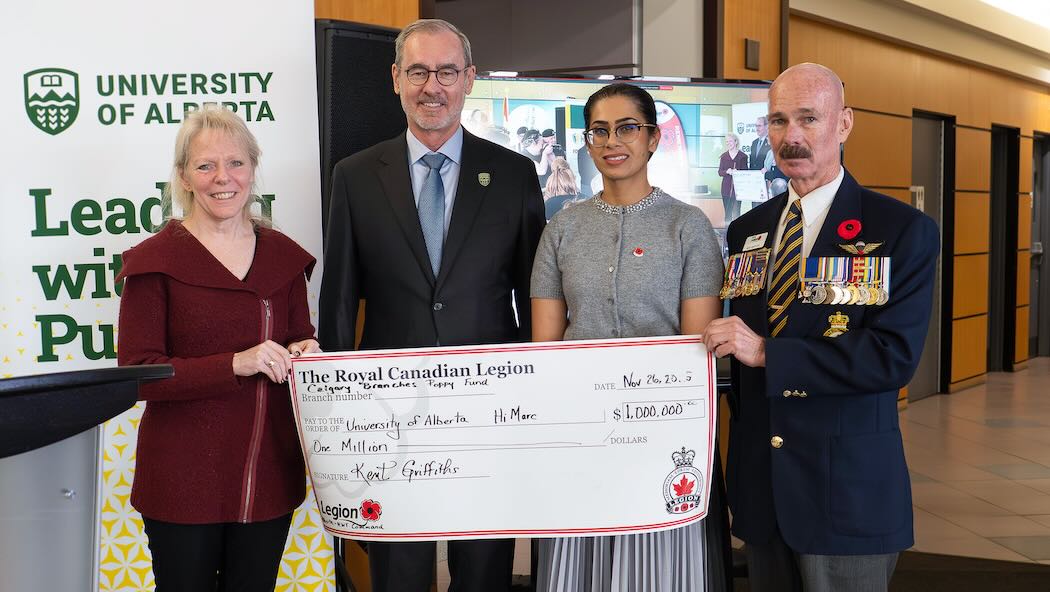
A transformative investment
For decades, the Royal Canadian Legion – Alberta/Northwest Territories Command has stood behind those who serve. This year, they made history doing it.
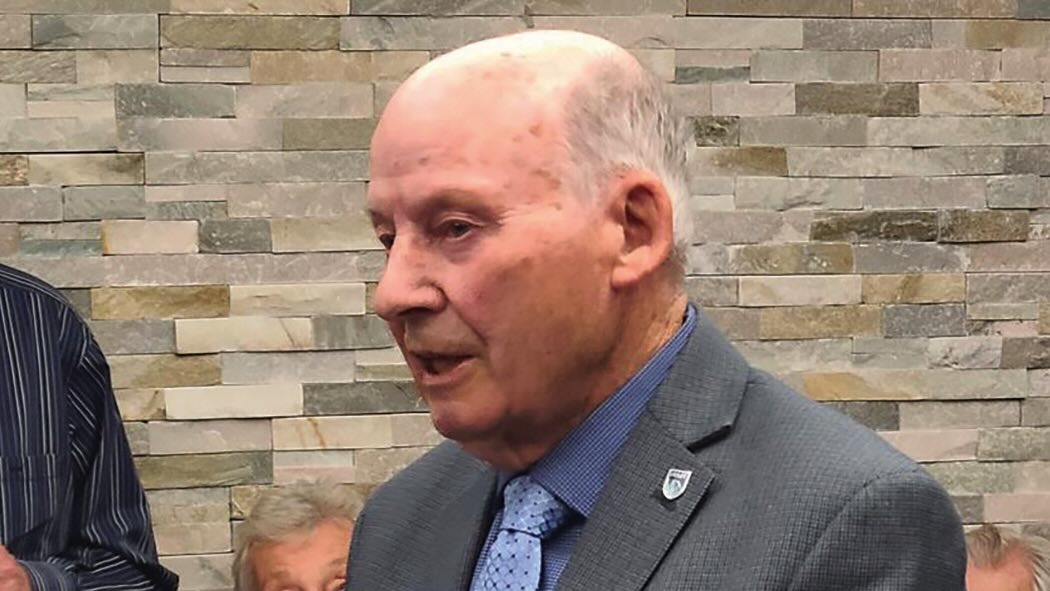
Giving voice to the future
Arnold and Grace Rumbold saw what happened when people who stutter found their voice — and they never stopped supporting it.
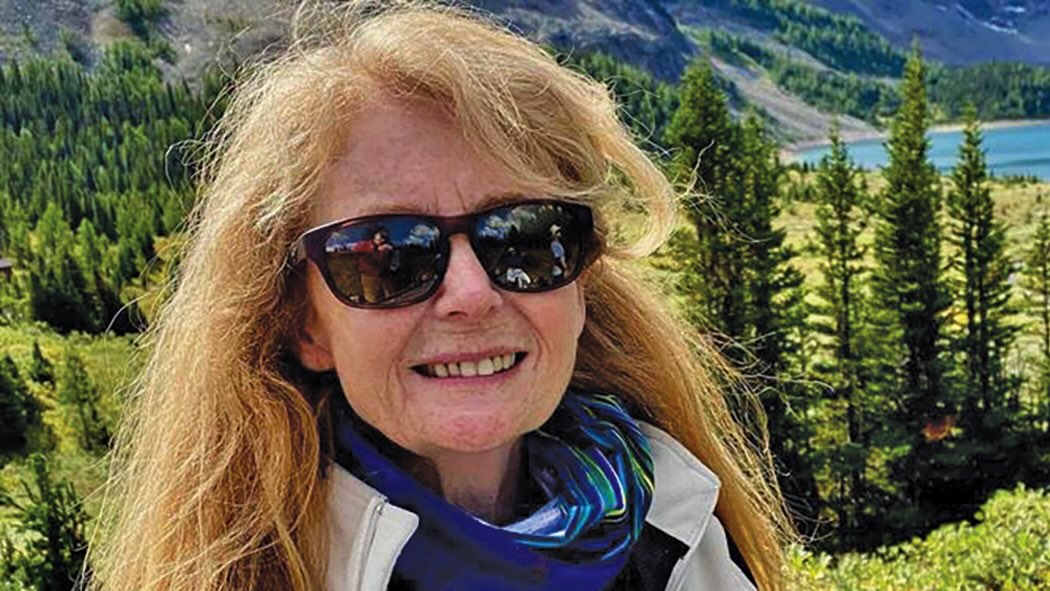
Leading the next generation
Joan McGregor spent her life in service — as a compassionate clinician, a health-care leader and a mentor to those around her.
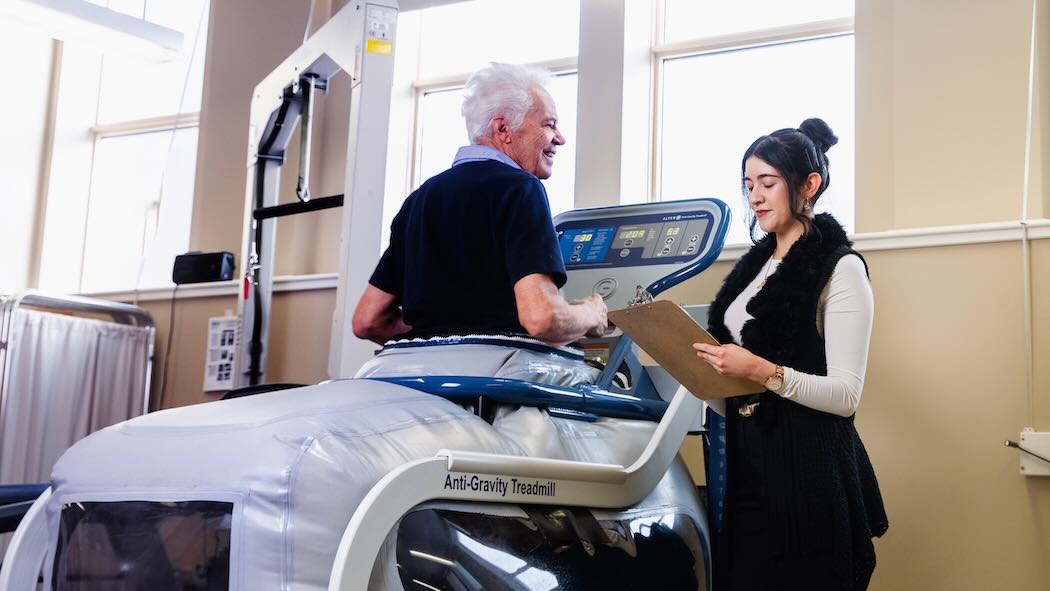
Giving hope through movement
The students at St. Theresa Catholic School watched their teacher recover from cancer. Then they did something about it.
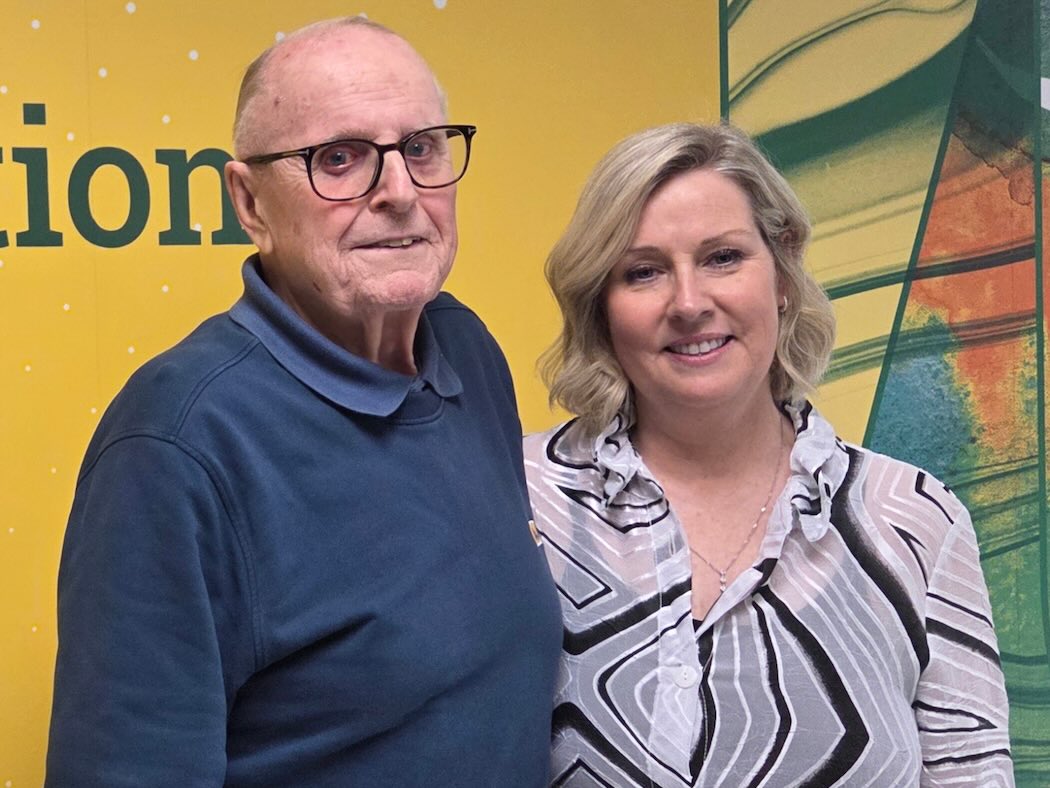
Investing in those who care
Inspired by a lifetime of mentorship, David Magee established the Dr. Judy Chepeha Physical Therapy Endowment for Mental Health and Wellbeing to support students facing personal, financial and mental health challenges. Honouring Chepeha’s legacy of compassion, the endowment helps ensure future rehabilitation professionals have the support they need to thrive.
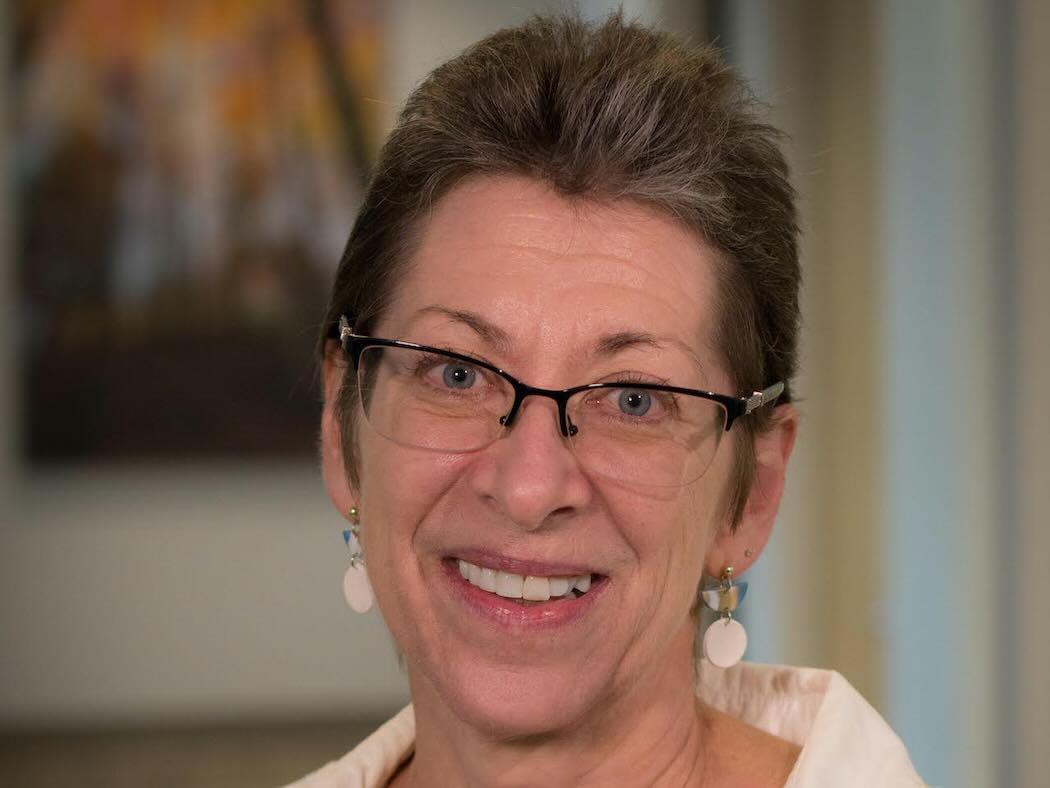
A legacy that came full circle
For years, Lisa Pashniak gave to the Institute for Stuttering Treatment and Research (ISTAR) because she believed in its work.
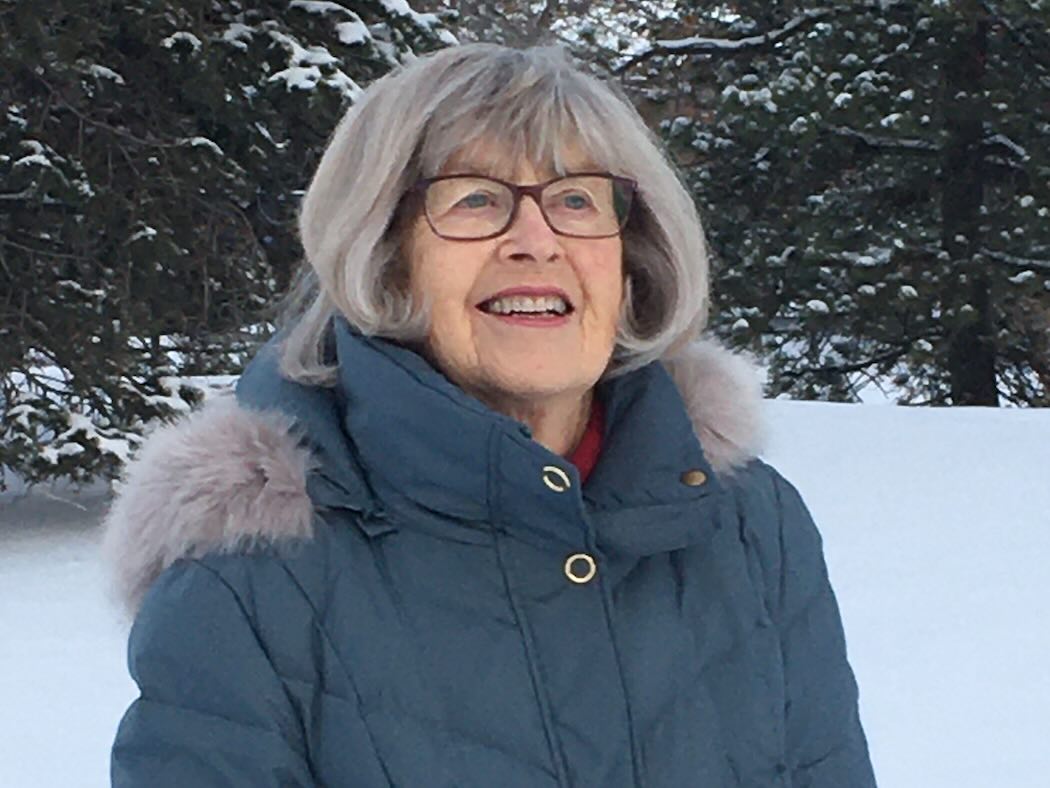
A lifetime of giving back
Marion Schmitke’s connection to occupational therapy has never faltered.
Fifty years of generosity
Over the faculty’s recorded history, 5,220 donors — 1,623 alumni and 3,597 friends of the faculty — have given more than $47.3 million in donations and pledges.
$3,783,100
total raised
$1,868,615
annual research
80
projects supported
328
donors
Now more than ever, rehabilitation is essential to enhancing lives.
Let us know
Did this report help you better understand the research, teaching and community impact of the Faculty of Rehabilitation Medicine? Email: frmcomms@ualberta.ca.
This report highlights achievements from the Faculty of Rehabilitation Medicine’s 2026 fiscal year: April 1, 2025 to March 31, 2026.