EXFRM 2721 Lymphedema + Chronic Edema Management

Inside the Next Cohort: Fully Updated Expert Insights
We have refreshed our multimedia learning modules for this upcoming offering. Learn directly from leading clinicians and subject matter experts through video presentation updates.
About the Course
This series of educational modules presents an in-depth, expert-facilitated overview of key topics in lymphedema and chronic edema management across practice settings from pediatrics to elder care. This course consists of four modules covering the following clinically relevant topics:
- (Module 1) differential diagnosis and complex measurements in lymphedema.
- (Module 2) lymphedema across the lifespan, with consideration of the quality of life and patient-centred care.
- (Module 3) research and advanced treatment approaches.
- (Module 4) application through case scenarios.
This professional learning course offers a high-quality educational experience for healthcare professionals working in Canada and abroad.
Contribution to Lymphedema and Edema Education: This course is being offered as an introduction for any generalist healthcare clinicians who may see individuals experiencing lymphedema or chronic edema. This course will provide learners with a comprehensive overview of the complex aspects of lymphedema and chronic edema and present clinical management approaches for these conditions.
Topics covered in depth: the lymphatic system, emergent research and practice including surgery, other types of measures, and case studies from pediatrics to end-of-life care. Also included are expert presentations, including insight into how they formulate assessment and intervention plans.
This course sets the framework for hands-on courses and clinical practice. This professional education course does not replace nor does it serve as a CLT certification course.
Instruction and Module Design: This online course includes four learning modules delivered asynchronously over a six-week time frame. Learners work through the modules at their own pace. Modules include knowledge checks and tailored learning activities to ensure that learning goals are being met throughout the course
Guest Lectures: Participants will have the opportunity to learn from well-known experts including Dr. Stanley Rockson, Dr. Margie McNeely, Dr. Melissa Aldrich, Dr. David Keast, Dr. Anna Towers, Dr. Catherine McCuaig, Dr. Vaughan Keeley, Dr. Siba Haykal, Dr. Elizabeth Dylke, Ms. Heather Watt, and Ms. Mona Al Onazi.
Course Registration
Registration for our newly updated course is available for the following sections (see details under 'How to Register')
- October 26 - December 5, 2026
Join our email list to receive new course and deadline updates! 📧
Course Hours & Recognition
The course is equivalent to approximately 12 content hours. 35 educational hours are awarded on the official certificate to reflect varying completion times.
Upon successful completion, you may also claim a digital badge issued by UofA CE—accessible through MyCreds—along with an official University of Alberta non-credit transcript
Course Instructor

|
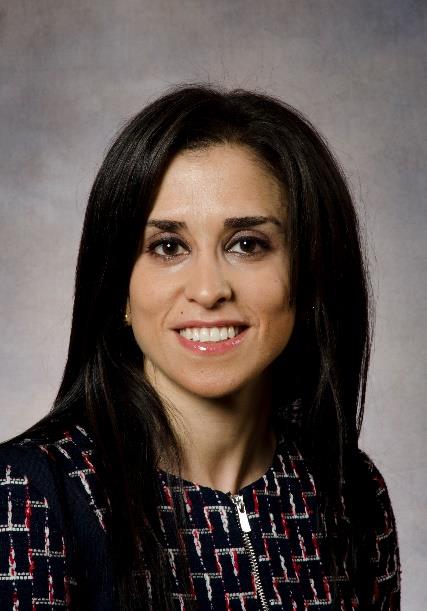
Dr. Mona Al Onazi is a Postdoctoral Fellow in the Faculty of Rehabilitation Medicine at the University of Alberta. She is a physiotherapist and Certified Lymphedema Therapist (CLT), with clinical and research experience in lymphedema rehabilitation. Her research focuses on breast cancer-related lymphedema, exercise-based rehabilitation, and patient-centred approaches to lymphedema management. She is also involved in lymphedema education and knowledge translation initiatives aimed at supporting evidence-based clinical practice. |
Contributing Instructors
|
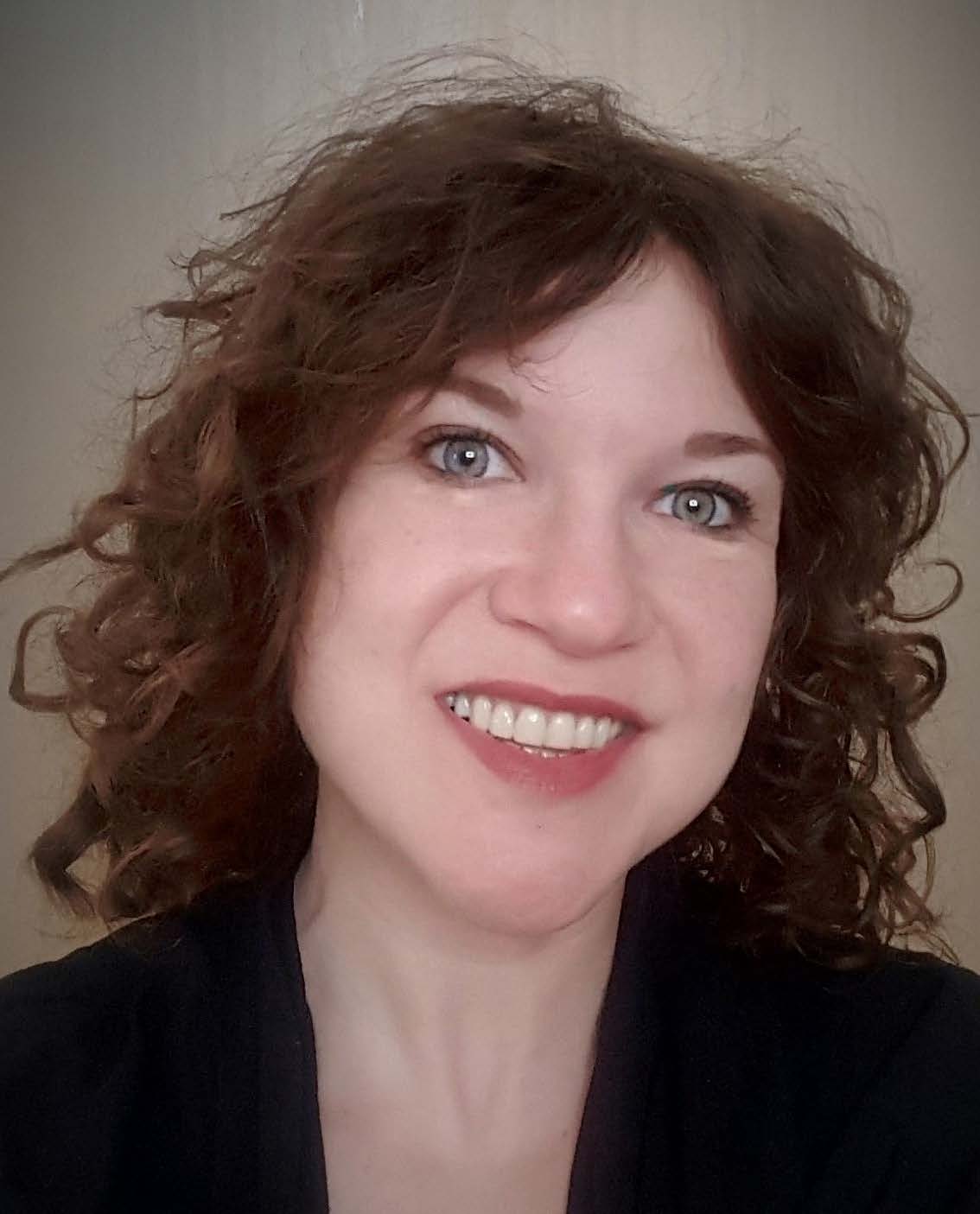
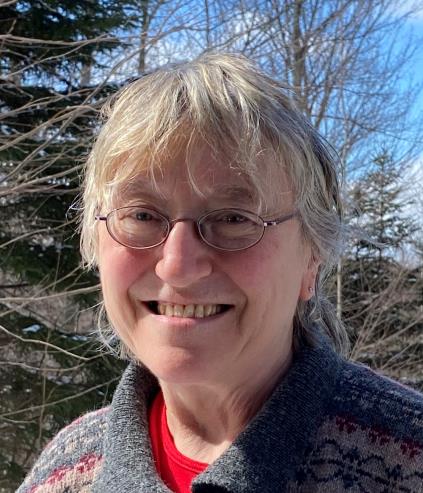
Dr. Naomi Dolgoy is a postdoctoral fellow with the Cancer Rehabilitation Clinic at the University of Alberta. In addition, she completed a MITACS Accelerate supported collaboration with the Canadian Lymphedema Framework. Naomi is a certified and practicing occupational therapist (M.OTc), and a certified lymphatic therapist (CLT). She has diverse experience working with individuals with lymphedema across healthcare settings, and is passionate about progressing professional education and clinical practice in lymphedema management. |
|
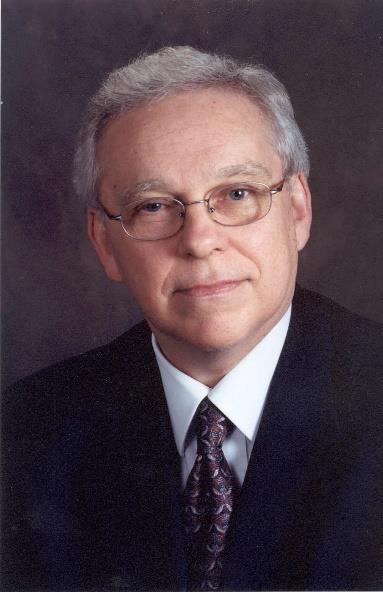
David H. Keast BSc, MSc, Dip Ed, MD, CCFP, FCFP(LM) |
|
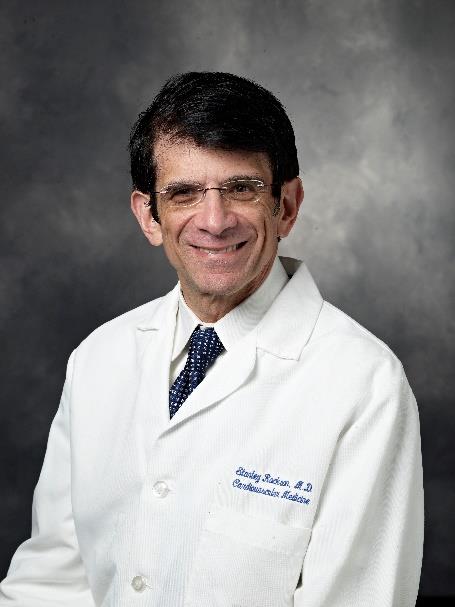
Dr. Rockson is the Allan and Tina Neill Professor of Lymphatic Research and Medicine at Stanford University School of Medicine. After earning his medical degree from Duke University School of Medicine, Dr Rockson completed his internship and residency training in internal medicine at Brigham and Women’s Hospital of Harvard Medical School, in Boston, Massachusetts, and fellowship training in the cardiac unit of Massachusetts General Hospital, Harvard Medical School. He is a fellow of the American College of Cardiology, Society of Vascular Medicine, American College of Angiology, and American College of Physicians, as well as a member of the International Society of Lymphology, American Society of Internal Medicine, and the Paul Dudley White Society, among others. As a Professor of Medicine, Dr. Rockson serves concurrently as the Stanford’s Chief of Consultative Cardiology and the Director of the Stanford Center for Lymphatic and Venous Disorders. Dr. Rockson is Editor-in-Chief of Lymphatic Research and Biology and sits on the editorial board of Angiology. Dr. Rockson works closely with National Institutes of Health, in an advisory capacity, to advance the agenda for lymphatic research. He has been a frequent invited lecturer at national and international meetings, congresses, and societies. He is a co-founder of the Lymphatic Education and Research Network (LE&RN) and has served as Chair of the inaugural Gordon Research Conference, entitled ‘Molecular Mechanisms in Lymphatic Function and Disease’. He is the co-author of Lymphedema: A Concise Compendium of Theory and Practice now in its second edition. Dr. Rockson has authored more than 200 scientific papers, reviews, book chapters and books devoted to various aspects of lymphatic biology and disease, vascular biology, and cardiovascular medicine. |
|
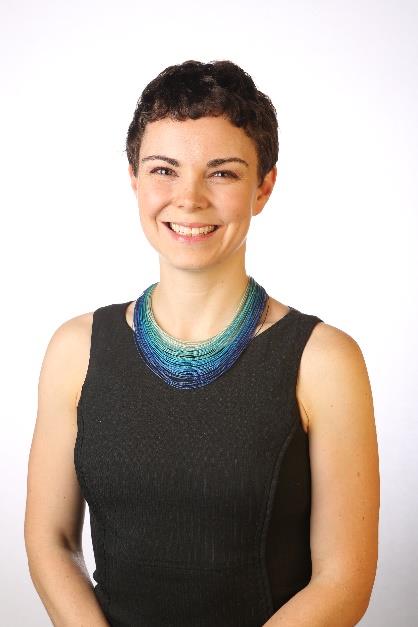
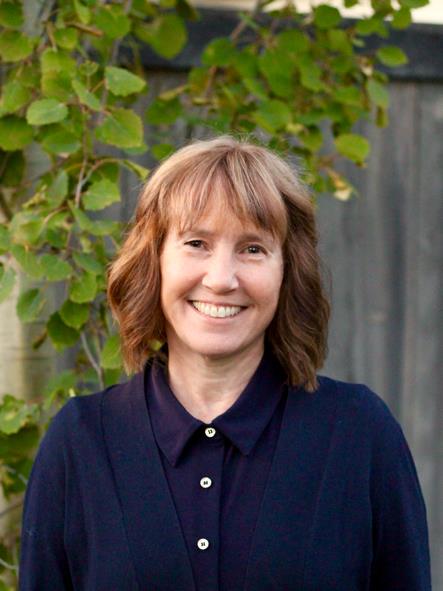
Dr. Elizabeth Dylke PhD, MPhty, BHK Dr Elizabeth (Liz) Dylke is an Associate Professor and the Head of Discipline for Physiotherapy at the University of Sydney. She completed her undergraduate degree at the University of British Columbia, Canada in Human Kinetics, before undertaking her Masters of Physiotherapy at the University of Sydney. She completed her PhD in 2013, with a focus on the diagnosis of upper limb lymphoedema. Since then, Dr Dylke’s focus has continued to be on understanding and improving the assessment and measurement of lymphoedema, in the upper limb, breast and lower limb. Dr Dylke is currently also the Vice President of the ALA as well as the editor of the Lymph Exchange, their publication. Dr Dylke is passionate about lymphoedema research, including supporting new researchers and clinically driven projects. |
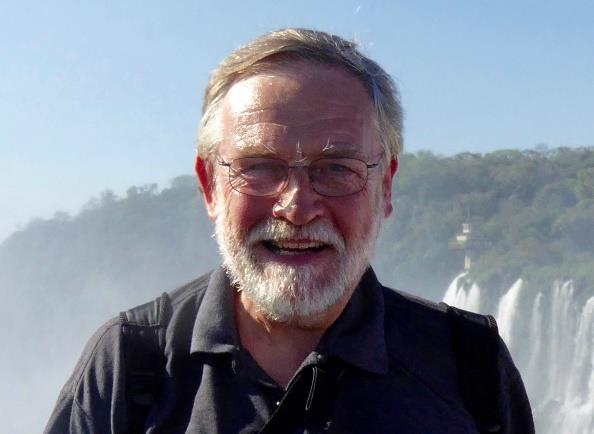
full-time in Lymphoedema. He leads the lymphoedema service in Derby, Nottingham and Mansfield, in the East Midlands of the UK. The service treats all types of lymphoedema chronic oedema in adults and children. It is one of the two national centres in the UK specializing in paediatric and primary lymphoedema. The service also treats people with vascular malformations and overgrowth syndromes. In 2020 the service was designated a LERN Comprehensive Centre of Excellence for Lymphatic Diseases. His research interests include the early detection and possible prevention of Lymphoedema in Breast Cancer, the prevalence and cause of chronic oedema in other conditions e.g. Obesity and Multiple Sclerosis and quality of life in Lymphoedema. He is an Honorary Professor at the University of Nottingham Medical School.
Participant Comments
This course provided a holistic foundation of knowledge about lymphedema across the lifespan that exceeded my expectations. The presentations were thoughtful and well curated, with experts from various areas of care across Canada and internationally. The perspectives shared caused me to think critically and compassionately about the impact lymphedema has on individuals and communities and how I can make a difference as a health care provider
Ashley, Registered Nurse
This Micro course was evidence based, packed with a lot of clinical information and case studies were packed with learning and reasoning skill development. I would like to recommend this course to any professional working with Lymphedema management.
Lalit, Occupational Therapist
I learned a lot from this micro course. As a Certified Fitter for compression therapy, it was nice to learn more about Lymphedema from a specialist perspective. The different diagnostic options used, surgical options and the procedure patients go through while their condition is being investigated. I really liked the option of taking the course online that accommodated my work schedule. It was a valuable experience.
Tania, Home Care/ Compression Therapy, Manager/Certified Fitter
- I liked the variety of presenters and learning topics and their unique perspectives to lymphedema treatments based on their backgrounds.
- The level of expertise and relevant up to date research and practice by the presenters.
- The variety of topics and the specialist had high level of the knowledge.
- Practical case studies
Other participant comments (when asked 'what did you like best about this course')
Step 1: Complete and submit the EXFRM 2721 faculty CE Unit application form
Step 2: Proceed to create a UofA CERegister account
Step 3: Register for a course section of EXFRM 2721 on CERegister
Cost: $350
Visit UofA Continuing Education for information on course withdrawal, refund, and transfer policy.
By the end of this course, the student will be able to:
- Understand the complex issues associated with lymphedema management, such as differential diagnoses, quality of life, and challenges to maintaining stable volumes.
- Understand the current status of investigation and treatment, as well as the upcoming steps in surgical interventions and research progress.
Specific Learning objectives:
- Differentiate between types of edema, explain different measurements for lymphedema/chronic edema, and be more familiar with the quality of life considerations associated with chronic edema.
- Appreciate the timeline of lymphedema, the impacts of lymphedema at major stages in life (pediatric, adolescent, adult, geriatric), and have more awareness of the comorbid issues that may impact individuals with lymphedema in different age brackets.
- Approach lymphedema care from a person-centred perspective.
- Understand current practice and advanced research, clinical, and surgical interventions in lymphedema management from a Canadian perspective
There are no scheduled class times for this 6-week, self-paced course. Learners will work through a series of modules that include presentations by experts in lymphedema care and associated learning activities. Self-directed online learning provides flexibility but also requires organization and time management on the part of the learner.
How much time commitment is required?
The full course offers approximately 12 hours of instructional time. Learners should allow 2-3 hours to complete each module however depending on prior experience with lymphedema and comfort levels with online learning, this timing may vary.
How is the course set up so I know what is expected?
The course is offered on the University of Alberta’s CE Canvas learning platform. The course website is organized with module content and learning activities posted by module for easy navigation. Learners will work through the modules in order by reviewing the recorded expert lectures and completing the associated learning activities. Learners are also asked for their feedback through a short survey after each module. To receive a certificate of completion for the course, learners must view all content and complete all associated learning activities in the course.
Learners receive a complete or incomplete final course status, based on satisfactory completion of the course. To successfully complete the course students are required to work through all learning activities and pass all the knowledge check quizzes. Students are given unlimited quiz attempts and can challenge these at any time through the course.
Upon completion participants will be issued a faculty digital certificate noting the number of educational hours.
Brought to you through the collaboration of the University of Alberta’s Faculty of Rehabilitation Medicine Professional Education, the Canadian Lymphedema Framework (CLF), and the support of a Mitacs Accelerate Fellowship.


This course received educational grants from essity and Juzo.

